Hiking shoes are essential for any outdoor adventure. They provide comfort and support on rough terrains.
Choosing the right pair can make or break your hiking experience. The perfect hiking shoes offer protection, grip, and durability. But with so many options, how do you find the best fit? This blog dives into the world of hiking shoes, helping you understand what to look for.
We'll explore various types, key features, and the benefits they offer. Whether you're a seasoned hiker or a beginner, this guide will help you make an informed decision. Ready to hit the trails with confidence? Let's get started!
Introduction To Hiking Shoes
Hiking is a thrilling way to explore nature. A vital part of this adventure is having the right gear. Among the essential gear, hiking shoes play a crucial role. They provide comfort and safety on rough terrains.
Choosing the right hiking shoes can make or break your hiking experience. This guide will help you understand the importance of good hiking shoes and explore the common types of hiking shoes.
Importance Of Good Hiking Shoes
Good hiking shoes ensure comfort during long hikes. They protect your feet from injuries and blisters. Proper shoes provide stability on uneven trails. This reduces the risk of slips and falls.
Additionally, hiking shoes offer support for your ankles. This is essential on rocky terrains. They also help in maintaining good posture, reducing fatigue. In summary, the right hiking shoes enhance your hiking experience.
Common Types Of Hiking Shoes
There are several types of hiking shoes to choose from. Each type serves a specific purpose. Here’s a look at the most common types:
- Trail Shoes: Best for well-maintained trails. Lightweight and flexible.
- Day Hiking Shoes: Suitable for short to moderate hikes. Offer more support than trail shoes.
- Backpacking Boots: Designed for long hikes and heavy loads. Provide maximum support and durability.
Choosing the right type depends on your hiking needs. Consider the trail conditions and the duration of your hike. Make sure to try on different types to find the best fit.
Materials And Construction
Choosing the right hiking shoes involves understanding their materials and construction. The materials used affect durability, comfort, and performance. The construction defines how well the shoe fits and supports your feet. Let's dive into the details.
Upper Materials
The upper part of hiking shoes can be made from various materials. Leather is durable and provides excellent support. Suede leather is softer and more flexible. Synthetic materials like nylon and polyester are lightweight and dry quickly. Mesh panels can be added for better breathability.
Each material has its pros and cons. Leather offers durability but can be heavy. Synthetic materials are light but may not last as long. Choose based on your hiking conditions and preferences.
Midsole And Outsole
The midsole and outsole are crucial for cushioning and traction. The midsole provides cushioning and absorbs shock. Common materials include EVA (Ethylene Vinyl Acetate) and PU (Polyurethane). EVA is lightweight and comfortable. PU is more durable and offers better support.
The outsole is made of rubber and provides grip. It features different tread patterns for various terrains. Aggressive tread patterns are ideal for rough trails. Less aggressive patterns are suitable for smoother paths. The outsole may also include lugs for better traction on uneven surfaces.
Waterproof Vs. Breathable
Choosing between waterproof and breathable hiking shoes depends on your needs. Waterproof shoes use materials like Gore-Tex to keep your feet dry. These are great for wet or muddy trails. They can be heavier and less breathable.
Breathable shoes use mesh and other materials to allow air circulation. They keep your feet cool and dry in hot conditions. These are lighter but may not protect against water.
Consider the weather and trail conditions you will encounter. Choose waterproof for wet conditions and breathable for dry, hot conditions.
Fit And Sizing
Choosing the right hiking shoes is crucial for a comfortable adventure. Proper fit and sizing can make or break your hiking experience. If your shoes are too tight, you might get blisters. Too loose, and you risk instability on rocky trails. Find the perfect fit with these tips.
Measuring Your Feet
First, measure your feet to find the right size. Use a ruler or a foot measuring tool. Measure both feet, as one foot is often larger than the other. Use the larger measurement when selecting your shoe size.
Measure your feet at the end of the day. Your feet swell throughout the day, and this will give you the most accurate size.
Trying On Hiking Shoes
Wear the socks you plan to hike in while trying on shoes. This ensures a proper fit. Lace the shoes tightly and stand up. Walk around to check how they feel.
Your toes should have a bit of wiggle room. Your heel should stay in place without slipping. Test the shoes on an incline if possible. Make sure your toes don’t hit the front of the shoe.
Common Fit Issues
Be aware of common fit issues. If your shoes are too tight, they can cause blisters. If they are too loose, you may experience instability. Check for hot spots, which are areas that rub and can lead to blisters.
Consider the shoe’s width. Some brands offer wide or narrow options. Choose the one that fits the best. Remember, comfort is key. Your hiking shoes should feel good from the start.

Credit: www.keenfootwear.com
Support And Cushioning
Support and cushioning are crucial aspects of hiking shoes. They ensure comfort and safety during long treks. Proper support can prevent injuries and reduce fatigue. Cushioning absorbs shocks and provides a smooth walking experience. In this section, we will explore ankle support, arch support, and cushioning levels.
Ankle Support
Ankle support is vital for stability on uneven terrain. Good hiking shoes offer firm ankle support. This reduces the risk of sprains and twists. High-cut boots are great for maximum ankle protection. They wrap around the ankle snugly, providing extra security.
Arch Support
Proper arch support is necessary for overall foot health. It helps distribute weight evenly. Hiking shoes with good arch support prevent foot pain. They support the natural curve of the foot. This reduces strain on the arch and other parts of the foot.
Cushioning Levels
Cushioning levels vary in hiking shoes. Some have thick cushioning for maximum comfort. Others have moderate cushioning for a balance of comfort and responsiveness. The right level of cushioning depends on personal preference and terrain type. More cushioning is better for rocky paths. Less cushioning can provide a better feel of the ground.
Traction And Grip
Hiking shoes need excellent traction and grip. These features keep you safe on rugged trails. They help prevent slips and falls. Good traction gives you confidence to tackle any path.
Tread Patterns
Tread patterns play a key role in traction. Deep lugs provide better grip on loose surfaces. Shallow treads work well on smooth trails. Directional patterns improve stability on steep slopes. Each design suits different terrains.
Rubber Compounds
Different rubber compounds affect grip. Soft rubber offers better grip on wet rocks. Hard rubber lasts longer on rough paths. Some shoes blend both for a balanced performance. Check the sole material for durability and grip.
Terrain Considerations
Consider the terrain you'll hike. Muddy trails need shoes with aggressive treads. Rocky paths require shoes with sticky rubber. Forest trails suit shoes with moderate lugs. Match your shoes to the terrain for the best experience.
Durability And Longevity
When investing in hiking shoes, it's crucial to consider their durability and longevity. Good hiking shoes are built to withstand rough terrains and various weather conditions. Proper care can extend their life, ensuring your adventures remain safe and enjoyable.
Signs Of Wear
Knowing the signs of wear in your hiking shoes is essential. Watch for these indicators:
- Worn-out soles: Less traction and grip.
- Damaged uppers: Tears or fraying material.
- Flattened insoles: Less cushioning and support.
- Loose or broken laces: Difficulty securing shoes.
Maintenance Tips
Proper maintenance can prolong the life of your hiking shoes. Here are some tips:
- Clean your shoes after each hike. Use a soft brush to remove dirt.
- Dry your shoes naturally. Avoid direct heat sources.
- Store them in a cool, dry place. Keep them away from direct sunlight.
- Check and replace insoles regularly. They wear out faster than the shoes.
- Use a waterproofing spray. Apply it periodically to protect the material.
When To Replace
Even with the best care, hiking shoes will eventually need replacing. Here are signs it's time for new ones:
- Persistent discomfort or pain. Indicates loss of support.
- Visible wear on soles. Reduced traction can be unsafe.
- Uppers are significantly damaged. Compromises shoe integrity.
- Waterproofing fails. Shoes get wet easily.
Investing in new hiking shoes ensures your safety and comfort on the trails. Pay attention to these signs to know when it's time.
Budget And Pricing
Choosing the right hiking shoes can be challenging. A key factor is the budget. Knowing how much to spend and what you'll get for your money is crucial.
High-end Vs. Budget Options
High-end hiking shoes come with advanced features. They use premium materials and offer better durability. They often have superior cushioning and support. This makes them ideal for long, rugged hikes.
Budget options are more affordable. They usually have basic features. They work well for light hiking and shorter trips. While they may lack some high-end benefits, they still provide good value.
Balancing Cost And Quality
It's important to balance cost and quality. High-end shoes can be costly but are often worth the investment. They last longer and provide better protection. Cheap shoes might save money upfront but may wear out quickly.
Consider how often you hike and the terrain you cover. This helps in deciding how much to spend. Sometimes, mid-range options offer the best balance. They provide decent quality without breaking the bank.
Best Value Picks
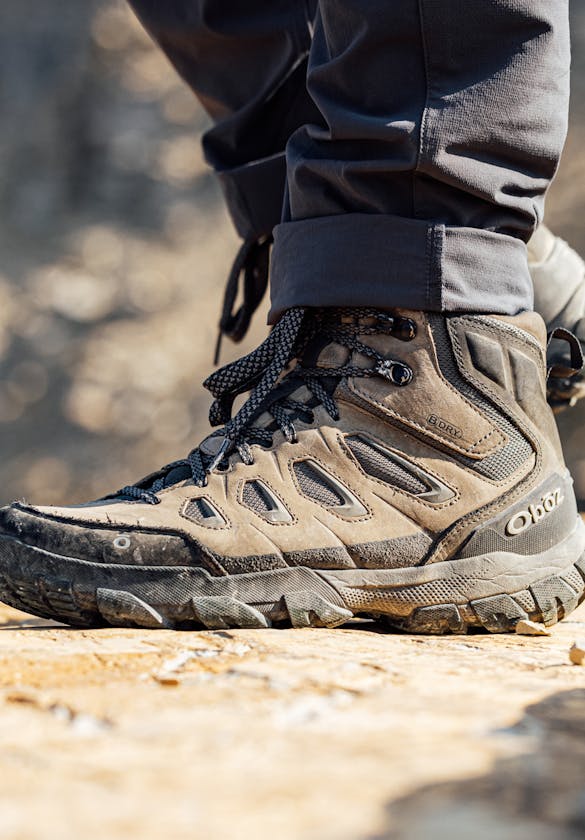
Several hiking shoes offer great value for their price. Brands like Merrell and Columbia have affordable yet durable options. These shoes often come with good support and comfort features. They work well for most hiking needs.
Another good pick is the Salomon X Ultra 3. It's not the cheapest but offers excellent performance for its price. These shoes are known for their grip and stability. They are a favorite among many hikers.
Credit: obozfootwear.com
Top Brands And Models
Choosing the right hiking shoes is crucial for any outdoor adventure. Quality shoes ensure comfort, support, and safety on the trails. This section highlights the top brands and models you should consider for your next hike.
Popular Brands
Several brands stand out in the world of hiking shoes. These brands are known for their durability, comfort, and innovative designs. Let's explore some of the most popular ones.
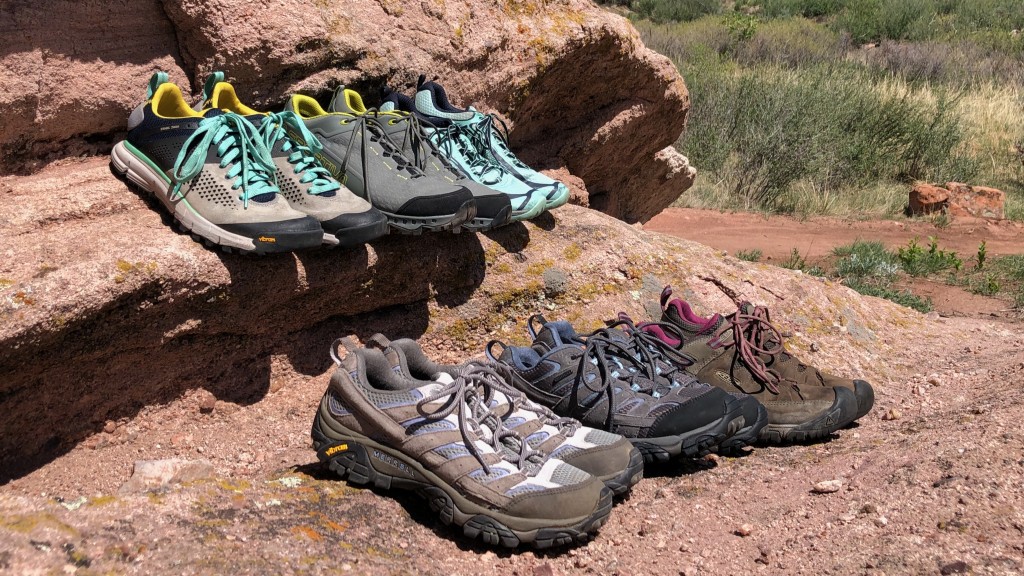
Merrell: Known for their versatile and comfortable hiking shoes. Merrell offers a wide range of options for different terrains.
Salomon: Salomon shoes are famous for their advanced technology and support. They cater to both beginners and experienced hikers.
Columbia: Columbia provides affordable and reliable hiking shoes. Their shoes are perfect for those on a budget.
Keen: Keen's hiking shoes are known for their wide toe boxes and excellent durability. Ideal for long hikes.
Top-rated Models
Within these brands, certain models have received high praise from hikers worldwide. Let's look at some of the top-rated models.
Merrell Moab 2: This model offers great comfort and support. It's perfect for all-day hikes.
Salomon X Ultra 3: Known for its excellent grip and lightweight design. This model is perfect for challenging terrains.
Columbia Redmond V2: A budget-friendly option that doesn't compromise on quality. It's suitable for moderate trails.
Keen Targhee III: Renowned for its rugged design and comfort. This shoe is ideal for rough and rocky paths.
Customer Reviews
Real-world experiences can guide your decision. Here are some insights from customers who have used these hiking shoes.
“The Merrell Moab 2 is incredibly comfortable. I wore them for a 10-mile hike, and my feet felt great!”
“Salomon X Ultra 3 has amazing grip. I felt secure even on steep, slippery slopes.”
“I love my Columbia Redmond V2. They are affordable yet durable. Great value for money.”
“Keen Targhee III is my go-to for long hikes. The toe box is roomy, and they are very sturdy.”
Final Tips For Choosing
Choosing the right hiking shoes can make or break your adventure. It’s important to consider various factors to find the perfect pair. Below are final tips to help you make an informed decision.
Seasonal Considerations
The season plays a crucial role in selecting hiking shoes. For summer hikes, opt for breathable, lightweight shoes. They keep your feet cool and dry. In winter, choose shoes with insulation and waterproofing. They provide warmth and keep your feet dry. Fall and spring can bring muddy trails. Waterproof hiking shoes with good traction are ideal.
Personal Preferences
Your preferences matter when choosing hiking shoes. Some hikers prefer boots for ankle support. Others like low-cut shoes for more flexibility. Decide what feels best for you. Consider the shoe's weight. Lighter shoes reduce fatigue over long hikes. Think about the shoe's design and color too. You should like how they look.
Test Runs And Break-in Period
Never go on a long hike with new shoes. Always do test runs first. Wear them on short walks. This helps you identify any discomfort early. Breaking in your shoes is essential. It prevents blisters and other issues. Gradually increase the distance of your walks. This allows the shoes to mold to your feet.
| Factor | Recommendation |
|---|---|
| Summer | Lightweight, breathable shoes |
| Winter | Insulated, waterproof shoes |
| Fall/Spring | Waterproof shoes with good traction |
Credit: www.outdoorgearlab.com
Frequently Asked Questions
What Are The Best Materials For Hiking Shoes?
The best materials for hiking shoes include leather, synthetic fabrics, and Gore-Tex. These materials provide durability, breathability, and water resistance, essential for hiking.
How Do I Choose The Right Size Hiking Shoes?
Choose the right size by trying on shoes with hiking socks. Ensure there's space for your toes and a snug fit around your heel.
Are Waterproof Hiking Shoes Necessary?
Waterproof hiking shoes are necessary if you hike in wet or muddy conditions. They keep your feet dry, reducing the risk of blisters.
How Should I Care For My Hiking Shoes?
Care for hiking shoes by cleaning them after each hike. Use a brush and mild soap. Let them air dry completely.
Conclusion
Choosing the right hiking shoes is crucial for comfort and safety. Good shoes prevent injuries and enhance your hiking experience. Always consider fit, durability, and terrain compatibility. With the right pair, every trail becomes a joy. Happy hiking!