Foot braces are essential for many people. They provide support and pain relief.
Foot braces help with various conditions. They can improve mobility and comfort. Foot braces come in many forms. They are used for injuries, chronic pain, and other foot issues. Knowing which brace is right for you can be tricky. Some people need them for sports injuries.
Others might need them for long-term conditions. Each type of foot brace serves a specific purpose. This guide will help you understand foot braces better. It will cover their uses and benefits. By the end, you will know more about how foot braces can help you.
Introduction To Foot Braces
Foot braces are essential for many people. They provide support and stability. Whether you have an injury or a chronic condition, foot braces can help. This section will introduce you to foot braces and explain their importance.
What Are Foot Braces?
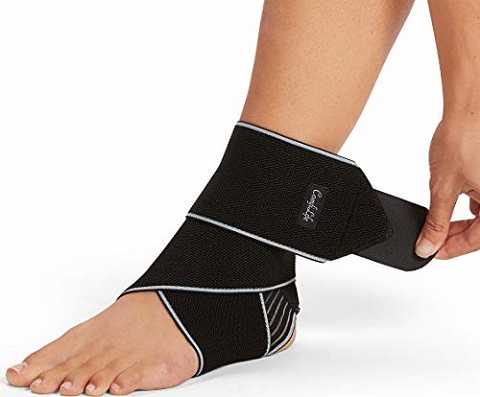
Foot braces are devices worn on the foot. They are designed to support and align the foot. There are various types, including:
- Ankle braces
- Arch supports
- Toe splints
Each type serves a different purpose. Some braces help with pain relief. Others prevent further injury. Foot braces are often made of materials like plastic, metal, or fabric.
Importance Of Foot Braces
Foot braces play a crucial role in recovery and daily activities. They provide stability, which helps prevent falls. This is especially important for elderly people.
They also offer support for weak or injured areas. This can speed up healing and reduce pain. Additionally, foot braces can improve mobility by helping you walk more comfortably.
| Type of Foot Brace | Primary Function |
|---|---|
| Ankle Brace | Stabilizes the ankle |
| Arch Support | Supports the arch |
| Toe Splint | Aligns the toes |
In summary, foot braces are vital tools. They help manage foot conditions. They also promote better mobility and enhance quality of life.
Credit: drschoene.com
Types Of Foot Braces
Foot braces come in various types, each designed to address specific conditions. Understanding the different types can help you choose the right one for your needs. Let's explore the two main categories: rigid and soft braces.
Rigid Braces
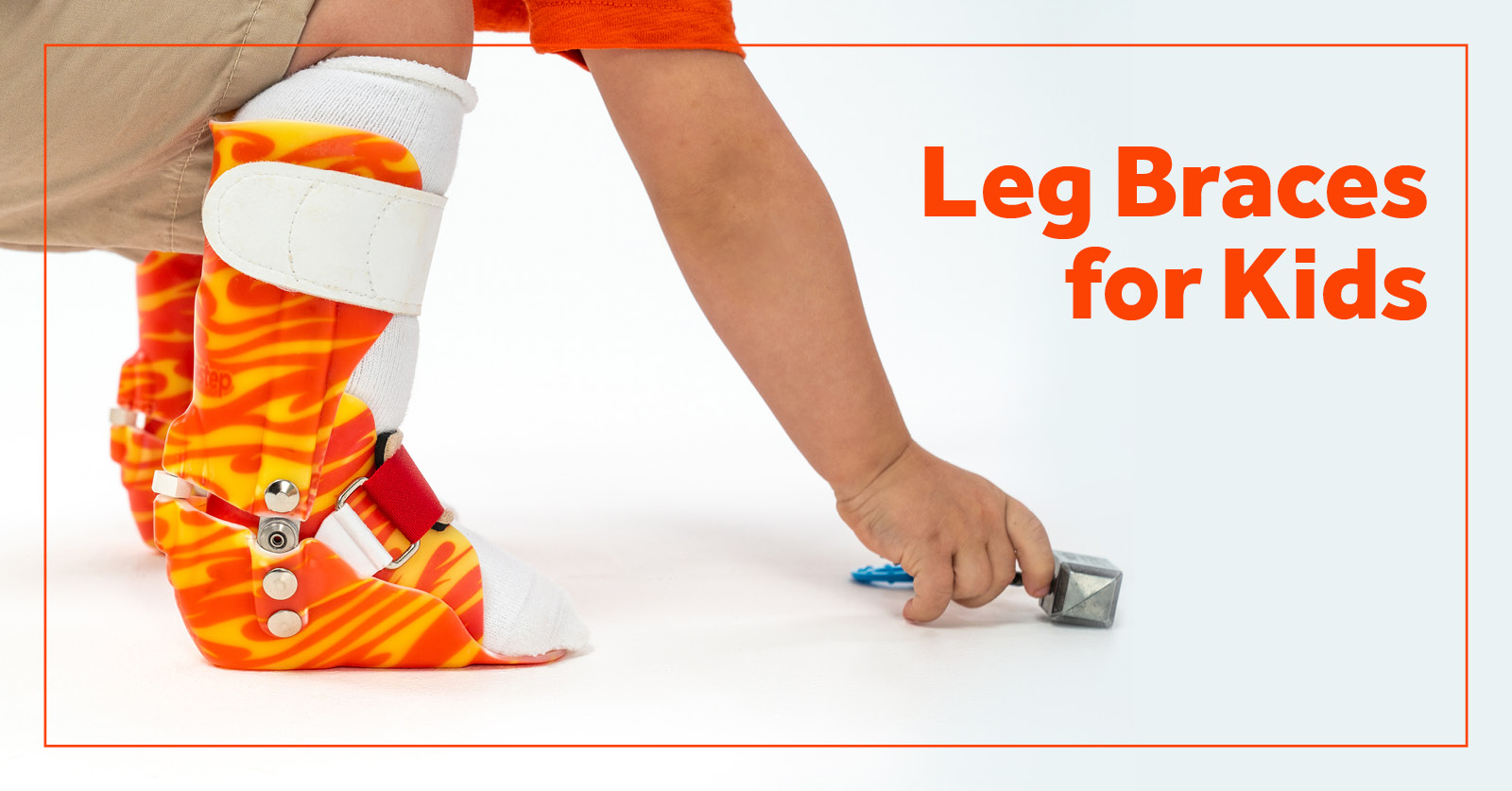
Rigid braces are made from hard materials like plastic or carbon fiber. They offer strong support and limit movement. These braces are ideal for severe conditions or post-surgery recovery.
Benefits of rigid braces include:
- High level of support
- Stabilizes the foot
- Reduces pain by limiting movement
Rigid braces are often prescribed for conditions such as:
- Severe arthritis
- Fractures
- Tendon injuries
Soft Braces
Soft braces are made from flexible materials like neoprene or fabric. They provide gentle support and allow more movement. These braces are suitable for mild to moderate conditions and daily wear.
Advantages of soft braces include:
- Lightweight and comfortable
- Allows some mobility
- Easy to wear with shoes
Soft braces are often used for:
- Minor sprains
- Plantar fasciitis
- General foot pain
Benefits Of Using Foot Braces
Foot braces offer many advantages to those who need them. They provide support, alleviate pain, and improve movement. People with foot problems find foot braces useful. Let's explore the benefits in more detail.
Pain Relief
Foot braces help reduce pain in the feet. They offer support to weak or injured areas. This support lessens the pressure on painful spots. People with conditions like plantar fasciitis or arthritis find relief. Foot braces distribute weight evenly. This reduces the strain on the feet.
Improved Mobility
Foot braces also enhance mobility. They stabilize the foot and ankle. This stability helps in walking more comfortably. Those with foot injuries can move better. Foot braces allow for a more natural walking pattern. This makes daily activities easier and less tiring.

Credit: insightfulproducts.com
Conditions Treated By Foot Braces
Foot braces help treat conditions such as plantar fasciitis, flat feet, and ankle sprains. They provide support and reduce pain.
Foot braces offer relief for many foot conditions. They provide support and stability. This helps in managing pain and promoting healing. Below, you will find key conditions treated by foot braces.
Plantar Fasciitis
Plantar fasciitis causes pain in the heel and bottom of the foot. It happens when the plantar fascia ligament gets inflamed. Foot braces help by reducing pressure on this ligament. They also offer arch support. This minimizes strain and allows the tissue to heal.
Achilles Tendinitis
Achilles tendinitis affects the Achilles tendon. This tendon connects the calf muscles to the heel bone. Foot braces help by keeping the foot in a stable position. This reduces stress on the Achilles tendon. They also limit excessive movement. This helps the tendon heal faster.
“`
Choosing The Right Foot Brace
Choosing the right foot brace can greatly impact your comfort and recovery. The correct brace supports your foot and reduces pain. It can also speed up healing. Here's how to choose the right one for you.
Factors To Consider
Several factors influence the selection of a foot brace. Understanding these factors helps you make an informed choice.
- Type of Injury: Different injuries require specific types of support. Sprains, fractures, and tendonitis all have unique needs.
- Level of Activity: Your activity level matters. A brace for athletes differs from one for daily wear.
- Material: Brace materials vary. Common options include neoprene, plastic, and fabric. Each offers different levels of support and comfort.
- Size and Fit: A proper fit is crucial. An ill-fitting brace can cause more harm than good.
- Purpose: Some braces are for prevention, others for rehabilitation. Know your purpose to find the right brace.
Custom Vs. Over-the-counter
You can choose between custom-made and over-the-counter foot braces. Each has its pros and cons.
| Custom Foot Braces | Over-the-Counter Foot Braces |
|---|---|
| Tailored to your foot’s shape | Available in standard sizes |
| Generally more expensive | More affordable |
| Often require a doctor’s prescription | Can be purchased without a prescription |
| May provide better support and comfort | Offer good support for mild to moderate issues |
Both types of braces have their place. Choose based on your specific needs and budget. Always consult with a healthcare professional to ensure you make the best choice.
How To Use Foot Braces
Foot braces are essential for those with foot injuries or conditions. They provide support, stability, and aid in recovery. But using them correctly is crucial. This guide will help you understand the proper fitting and usage tips for foot braces.
Proper Fitting
A well-fitting foot brace is key to its effectiveness. First, ensure you have the right size. Measure your foot and check the manufacturer's size chart. The brace should fit snugly but not too tight. It should not cause discomfort or restrict blood flow.
Adjust the straps for a secure fit. Check that the brace covers the affected area well. If it slips or moves, it may not provide the needed support. Wear it with the recommended footwear. Some braces work best with specific shoe types.
Usage Tips
Wear the foot brace as directed by your doctor. Usually, it should be on during activities that strain the foot. Avoid wearing it for too long. Overuse can cause muscle weakness.
Check your skin regularly for signs of irritation. Adjust or remove the brace if you notice redness or sores. Clean the brace as instructed to keep it hygienic.
Gradually increase the time you wear the brace. This helps your foot adjust. Always follow your doctor's advice for the best results.
Care And Maintenance
Proper care and maintenance of foot braces are essential. It ensures their longevity and effectiveness. Neglecting this can lead to discomfort and reduced support.
Cleaning Tips
Regular cleaning keeps your foot braces hygienic. It also helps in preventing infections.
Steps to Clean:
- Remove any inserts or liners.
- Mix warm water with mild soap.
- Dip the soft cloth in the soapy water.
- Gently wipe the brace.
- Use the soft-bristled brush for stubborn dirt.
- Rinse with clean water.
- Pat dry with a towel.
- Let it air dry completely before wearing.
When To Replace
Foot braces need replacement over time. This ensures they provide the necessary support.
Signs to Look For:
- Visible wear and tear
- Reduced comfort
- Loss of support
- Cracks or breaks in the material
- Persistent bad odor
Table of Replacement Indicators:
| Indicator | Action |
|---|---|
| Wear and tear | Inspect and consider replacing |
| Reduced comfort | Consult with your specialist |
| Loss of support | Replace immediately |
| Cracks or breaks | Do not use |
| Bad odor | Clean or replace |
Regular checks and proper maintenance can extend the life of your foot braces. This ensures your feet remain well-supported and comfortable.
Common Myths About Foot Braces
Foot braces are helpful devices, yet many myths surround them. These myths can cause confusion. Understanding the truth is essential for anyone considering foot braces.
Myth Vs. Reality
A common myth is that foot braces are only for severe injuries. This is not true. Foot braces help with mild to moderate issues too. Another myth is that foot braces are uncomfortable. Modern designs are quite comfortable. They use soft materials and offer good support.
Some think that foot braces slow down recovery. In reality, they can speed up healing. They keep the foot in the right position. This helps reduce strain and promote healing. Many believe that foot braces are bulky and unattractive. Today’s foot braces are sleek and discreet. They can be worn under regular shoes.
Expert Opinions
Doctors recommend foot braces for many conditions. They are not just for injuries. They help with chronic issues like plantar fasciitis. Experts say foot braces can prevent injuries too. They provide support during sports and daily activities.
Podiatrists stress the importance of a good fit. A poorly fitting brace can do more harm than good. Always consult a professional to ensure the right fit. Orthopedic specialists agree. They say foot braces are an effective part of treatment plans. They can be used alongside other therapies for the best results.
Success Stories
Foot braces play an important role in the lives of many people. They help in managing pain, improving mobility, and enhancing overall quality of life. Let's explore some success stories to understand the impact of foot braces better.
Personal Experiences
John, a 45-year-old teacher, faced severe foot pain for years. He struggled with daily activities and couldn't stand for long periods. After consulting a specialist, he started using foot braces. Within weeks, John noticed significant pain relief. He could stand and teach without discomfort. Foot braces gave him a new lease on life.
Another inspiring story is of Sarah, a young athlete. She injured her foot during a soccer match. The injury left her unable to play her favorite sport. Her doctor recommended foot braces to aid recovery. Sarah followed the advice and wore braces diligently. In a few months, she was back on the field, playing with her team again. The braces provided the support she needed to heal and regain her strength.
Professional Testimonials
Dr. Emily Brown, a renowned podiatrist, often recommends foot braces to her patients. She shares, “Foot braces have shown remarkable results in my practice. They offer great support and pain relief. Many patients experience improved mobility and reduced discomfort.”
Physiotherapist Mark Davis also speaks highly of foot braces. He says, “I have seen many cases where foot braces made a significant difference. They help in proper alignment and reduce strain on the feet. This leads to faster recovery and better outcomes for patients.”
Orthopedic surgeon Dr. James Lee adds, “Foot braces are a valuable tool in treating various foot conditions. They provide stability and aid in rehabilitation. Many patients find them extremely beneficial in their recovery journey.”
Credit: surestep.net
Frequently Asked Questions
What Are Foot Braces Used For?
Foot braces are used to provide support, correct alignment, and relieve pain. They help in treating various conditions like plantar fasciitis, flat feet, and ankle sprains.
How Do I Choose The Right Foot Brace?
To choose the right foot brace, consider your specific condition, comfort, and fit. Consult a healthcare professional for a personalized recommendation.
Can Foot Braces Help With Plantar Fasciitis?
Yes, foot braces can help alleviate pain from plantar fasciitis. They provide support and reduce strain on the plantar fascia.
Are Foot Braces Comfortable To Wear?
Modern foot braces are designed for comfort. They are made with breathable materials and adjustable straps to ensure a good fit.
Conclusion
Foot braces offer essential support for various foot conditions. They aid in pain relief and improve mobility. Choosing the right brace ensures comfort and effectiveness. Consult a healthcare professional for personalized advice. Foot braces can significantly enhance daily life. Don't overlook their benefits.
Investing in a quality foot brace can lead to better foot health. Take proactive steps to maintain your mobility and comfort. Your feet deserve the best care possible. Explore options and make an informed choice. Stay active and pain-free with the right foot brace.