Flat feet can cause discomfort and pain. Insoles provide much-needed support.
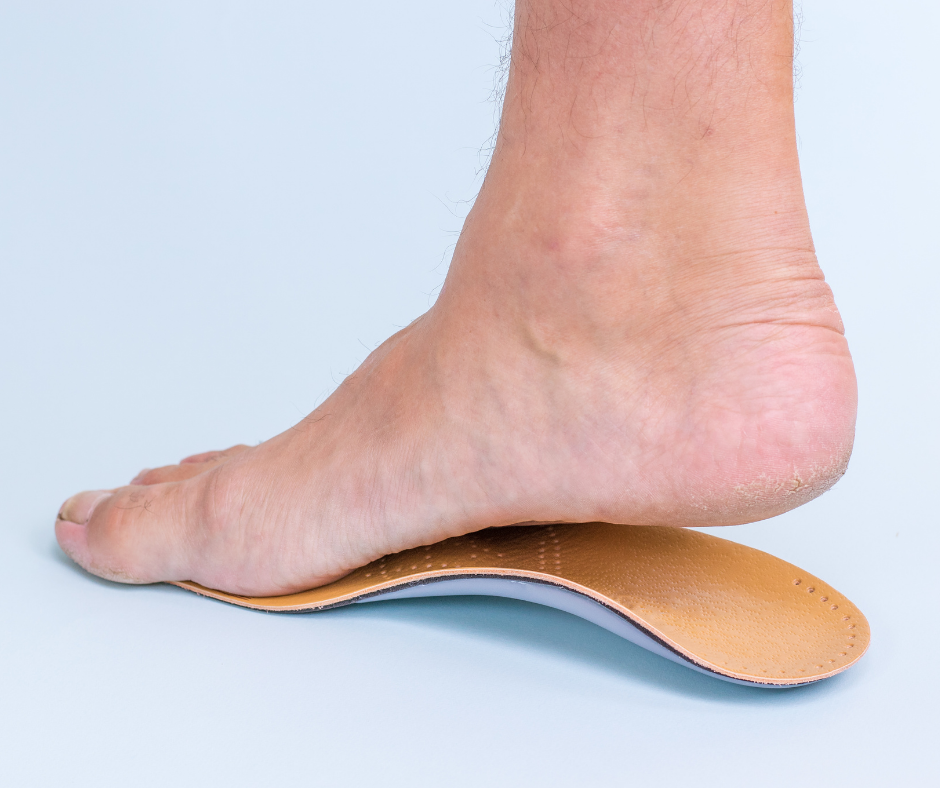
For those with flat feet, finding the right insoles is crucial. Flat feet lack the natural arch, which can lead to issues like overpronation and pain in the feet, knees, and back. Insoles designed for flat feet can help by providing the necessary arch support and cushioning.
They can improve posture, reduce pain, and enhance overall comfort. This guide will explore the importance of insoles for flat feet, what to look for, and how they can make a difference in your daily life. Whether you're an athlete or someone who stands all day, the right insoles can offer significant relief and support.
Credit: www.myfootdr.com.au
Causes Of Flat Feet
Flat feet, also known as fallen arches, can cause discomfort and pain. Understanding the causes of flat feet can help in choosing the right insoles. There are several factors that contribute to flat feet, which can be broadly categorized into genetic factors and lifestyle influences.
Genetic Factors
Genetics play a significant role in the development of flat feet. If your parents or grandparents had flat feet, there's a higher chance you might have them too. Genetic factors influence the structure of the foot. Some people are born with naturally flat feet. This condition can be inherited from family members.
Lifestyle Influences
Lifestyle choices and daily activities can also contribute to flat feet. Wearing shoes without proper arch support can lead to flat feet over time. Standing for long periods, especially on hard surfaces, puts stress on the arches. Weight gain and obesity add extra pressure on the feet. This can flatten the arches. Injuries to the foot or ankle can also weaken the arch, leading to flat feet.
Benefits Of Insoles
Insoles for flat feet offer many benefits. They provide extra comfort and support. These insoles can improve daily activities and reduce pain. Let's explore the key benefits of using insoles for flat feet.
Improved Comfort
Flat feet can cause discomfort during walking or standing. Insoles add a cushioned layer inside your shoes. This extra layer helps reduce pressure on your feet. It also distributes weight evenly. As a result, you experience less pain and more comfort. Daily tasks become easier to manage.
Enhanced Support
Flat feet lack natural arches. This can lead to foot and leg problems. Insoles provide the needed arch support. They help align your feet properly. Proper alignment reduces strain on muscles and joints. It also helps prevent injuries. With better support, your overall posture improves. This leads to fewer aches and pains in your legs and back.
Types Of Insoles
Insoles for flat feet come in various types. Each type serves a specific purpose. They provide comfort and support. The two main types are custom orthotics and over-the-counter insoles.
Custom Orthotics
Custom orthotics are made to fit your feet. A specialist designs them. They consider your foot shape and issues. Custom orthotics offer personalized support. They are often more expensive. But they provide the best fit. They can help reduce pain. They can also improve walking comfort.
Over-the-counter Insoles
Over-the-counter insoles are ready-made. You can buy them in stores. They come in various sizes. They are usually cheaper than custom orthotics. These insoles provide general support. They may not fit as perfectly. But they still offer good relief. They are a good option for mild flat feet. Easy to replace and accessible.

Credit: www.ubuy.com.br
Materials Used
Choosing the right insoles for flat feet is crucial. The material of the insole plays a significant role in comfort and support. Here, we'll explore some common materials used in insoles for flat feet.
Foam Insoles
Foam insoles are popular for their cushioning and support. They are lightweight and flexible. Foam provides a soft feel underfoot. It conforms to the shape of your feet. This helps in distributing pressure evenly.
Foam insoles are available in various densities. High-density foam offers more support. Low-density foam provides extra cushioning. These insoles can be a good choice for people who stand for long periods.
Gel Insoles
Gel insoles offer excellent shock absorption. They are made from a soft, flexible gel material. This material helps in reducing impact on feet. Gel insoles are great for people with flat feet. They provide a comfortable and supportive feel.
These insoles are often combined with other materials. This enhances their durability and performance. Gel insoles can help reduce foot fatigue. They are ideal for activities that involve a lot of walking or running.
Leather Insoles
Leather insoles are known for their durability and breathability. They provide a firm yet comfortable support. Leather molds to the shape of your feet over time. This creates a custom fit.
Leather insoles also help in controlling moisture. This keeps your feet dry and fresh. They are often used in dress shoes and casual footwear. Leather insoles can be a good option for those seeking a natural material.
| Material | Benefits |
|---|---|
| Foam | Lightweight, flexible, soft feel, even pressure distribution |
| Gel | Shock absorption, reduces impact, comfortable, reduces fatigue |
| Leather | Durable, breathable, custom fit, moisture control |
Choosing The Right Insoles
Finding the perfect insoles for flat feet can be challenging. The right insoles provide comfort and support. They also prevent further foot issues. Several factors influence the choice of insoles. Below, we will discuss two key aspects: foot arch types and activity level.
Foot Arch Types
Understanding your foot arch type is crucial. There are three main arch types:
| Arch Type | Description |
|---|---|
| Low Arch | Also known as flat feet, with little to no arch. |
| Medium Arch | Normal arch height, providing natural support. |
| High Arch | Higher than normal arch, with more curve. |
Flat feet need insoles with strong arch support. These insoles help distribute weight evenly across the foot. They also reduce stress on the arch. This ensures better alignment and comfort.
Activity Level
Your daily activity level impacts insole choice. Consider the following:
- Low Activity: If you stand or walk for short periods, choose cushioned insoles. They offer comfort and basic support.
- Moderate Activity: For those who walk or stand for longer periods, choose insoles with enhanced arch support and heel cushioning. These features reduce fatigue and provide better support.
- High Activity: If you engage in sports or intense physical activities, choose insoles designed for high impact. These insoles offer robust support, shock absorption, and durability.
Matching insoles to your activity level ensures adequate support and comfort. Always consider how much you move during the day. This helps in choosing the most suitable insoles for your needs.

Credit: treadlabs.com
Care And Maintenance
Proper care and maintenance of your insoles for flat feet are crucial for their longevity and effectiveness. Keeping your insoles clean and knowing when to replace them can ensure you get the most support and comfort from your investment.
Cleaning Tips
Regular cleaning of your insoles can help maintain their condition and prevent odor. Here are some simple tips to keep them fresh:
- Hand wash your insoles with mild soap and warm water. Avoid using harsh chemicals or bleach.
- Use a soft brush to scrub away dirt and stains. This helps preserve the material.
- Air dry your insoles completely before placing them back in your shoes. Do not use a dryer.
- Sprinkle a small amount of baking soda on your insoles to absorb any lingering odors. Let it sit overnight, then brush it off.
When To Replace
Knowing when to replace your insoles is key to maintaining support for your flat feet. Here are some signs that indicate it’s time for new insoles:
- The insoles have visible wear and tear, such as holes or thinning areas.
- You notice a decrease in comfort or support. This might mean the insoles have lost their shape.
- There are persistent odors that don't go away even after cleaning.
- If you experience increased foot pain or discomfort, it may be time to replace them.
Maintaining and replacing your insoles as needed will ensure continuous support for your flat feet. This simple care routine can extend the life of your insoles and keep your feet happy.
Additional Tips
Finding the right insoles for flat feet can make a big difference. They offer support and comfort. But, there are other tips to help manage flat feet. Here are some additional tips to consider.
Proper Footwear
Wearing the right shoes is crucial. Choose shoes with good arch support. Look for firm soles. Avoid high heels or flip-flops. They can worsen the condition.
Opt for shoes with a wide toe box. This allows your feet to spread naturally. A cushioned insole adds extra comfort. Replace worn-out shoes regularly.
Exercises For Flat Feet
Exercises can help strengthen your feet. They may reduce pain and improve arch height. Try heel raises. Stand with feet hip-width apart. Slowly lift your heels, then lower them.
Another exercise is toe curls. Sit on a chair. Place a towel on the floor. Use your toes to grab and pull the towel. Repeat several times.
Arch lifts are beneficial too. Sit down and place your feet flat. Lift the middle of your foot, keeping toes and heels on the ground. Hold for a few seconds and release.
Incorporate these exercises into your daily routine. They can make a difference in managing flat feet.
Frequently Asked Questions
What Are The Best Insoles For Flat Feet?
The best insoles for flat feet provide arch support and cushioning. Look for insoles with stability and comfort. Orthotic insoles are highly recommended.
Can Insoles Help With Flat Feet Pain?
Yes, insoles can help alleviate flat feet pain. They provide support and reduce strain on your arches. Choose insoles with good cushioning.
How Do Insoles Support Flat Feet?
Insoles support flat feet by providing arch support and distributing pressure evenly. They improve foot alignment and reduce discomfort.
Are Custom Orthotics Necessary For Flat Feet?
Custom orthotics are beneficial for severe flat feet. They offer personalized support and comfort. However, over-the-counter insoles can also be effective.
Conclusion
Choosing the right insoles can greatly ease flat feet discomfort. They offer vital support and help distribute pressure evenly. This can lead to better posture and less pain. Start by finding insoles that match your needs. Consult a specialist if unsure.
Remember, comfort and support are key. So, invest in quality insoles for happier, healthier feet. Your feet will thank you.