Dance shoes are essential for every dancer. They provide the right support and flexibility.
Whether you are a beginner or a professional, the right dance shoes can make a big difference. Dancers need shoes designed for their specific style. Ballet, jazz, tap, and ballroom all have unique shoe needs. The right pair enhances performance and prevents injuries.
It is crucial to choose shoes that fit well and offer the necessary support. Dance shoes come in various materials, each offering different benefits. Leather, canvas, and satin are common choices. Each material has its advantages, from durability to flexibility. Investing in the right pair of dance shoes can improve your dancing experience. They help you move gracefully and comfortably. Ready to find the perfect dance shoes? Let's dive in!
Choosing The Right Dance Shoes
Dance shoes are crucial for every dancer. The right pair can enhance your performance and prevent injuries. Selecting the best dance shoes involves considering various factors like the fit, type, and material. This guide will help you understand these essential elements.
Importance Of Fit
The fit of dance shoes is vital. A good fit ensures comfort and support. Ill-fitting shoes can cause blisters, discomfort, and even injuries. Always try on dance shoes before buying them. Your shoes should hug your feet snugly but not too tightly.
Consider these tips for a proper fit:
- Ensure your toes can move freely.
- The heel should stay in place without slipping.
- Check for any pressure points.
Remember, the right fit will make your dancing experience more enjoyable.
Different Types Of Dance Shoes
Different dance styles require specific shoes. Each type offers unique features to support the dance form. Here are some common types:
| Type of Dance Shoes | Description |
|---|---|
| Ballet Shoes | Lightweight and flexible, perfect for ballet dancers. |
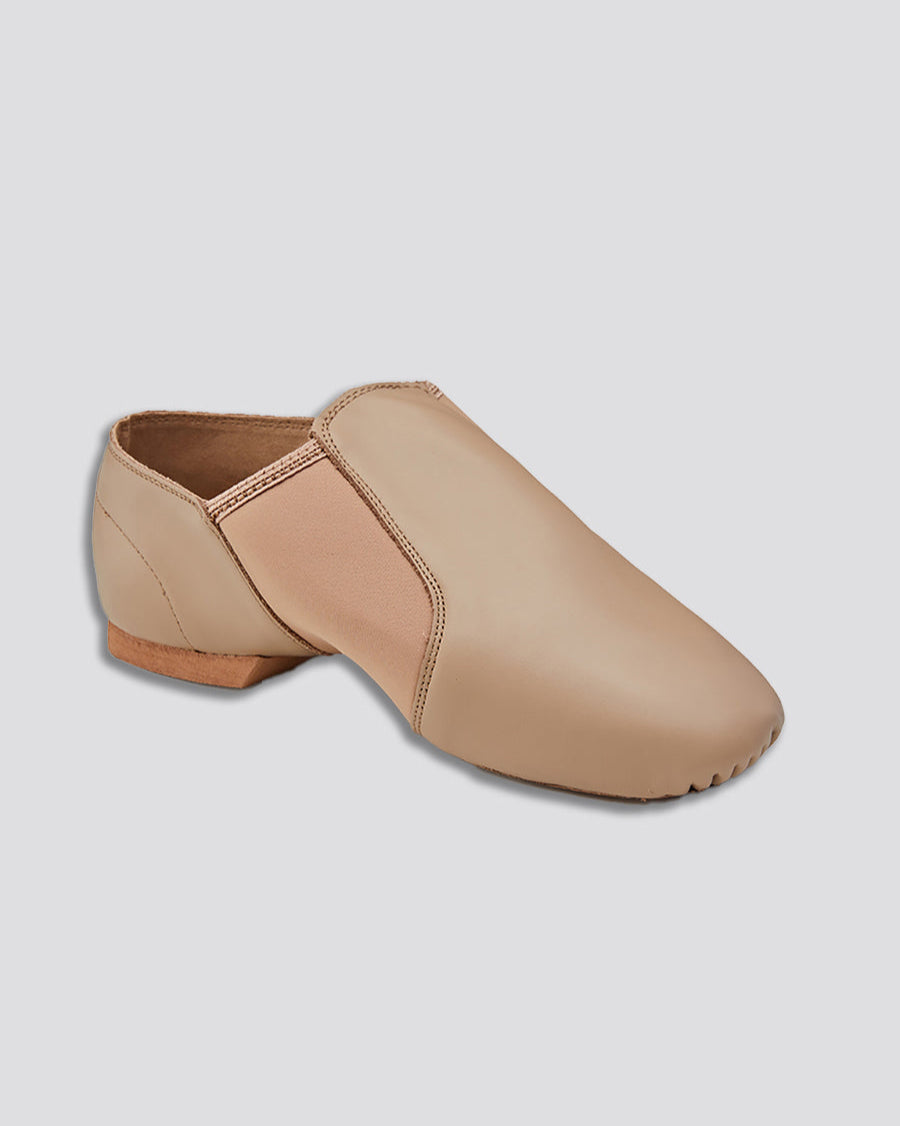
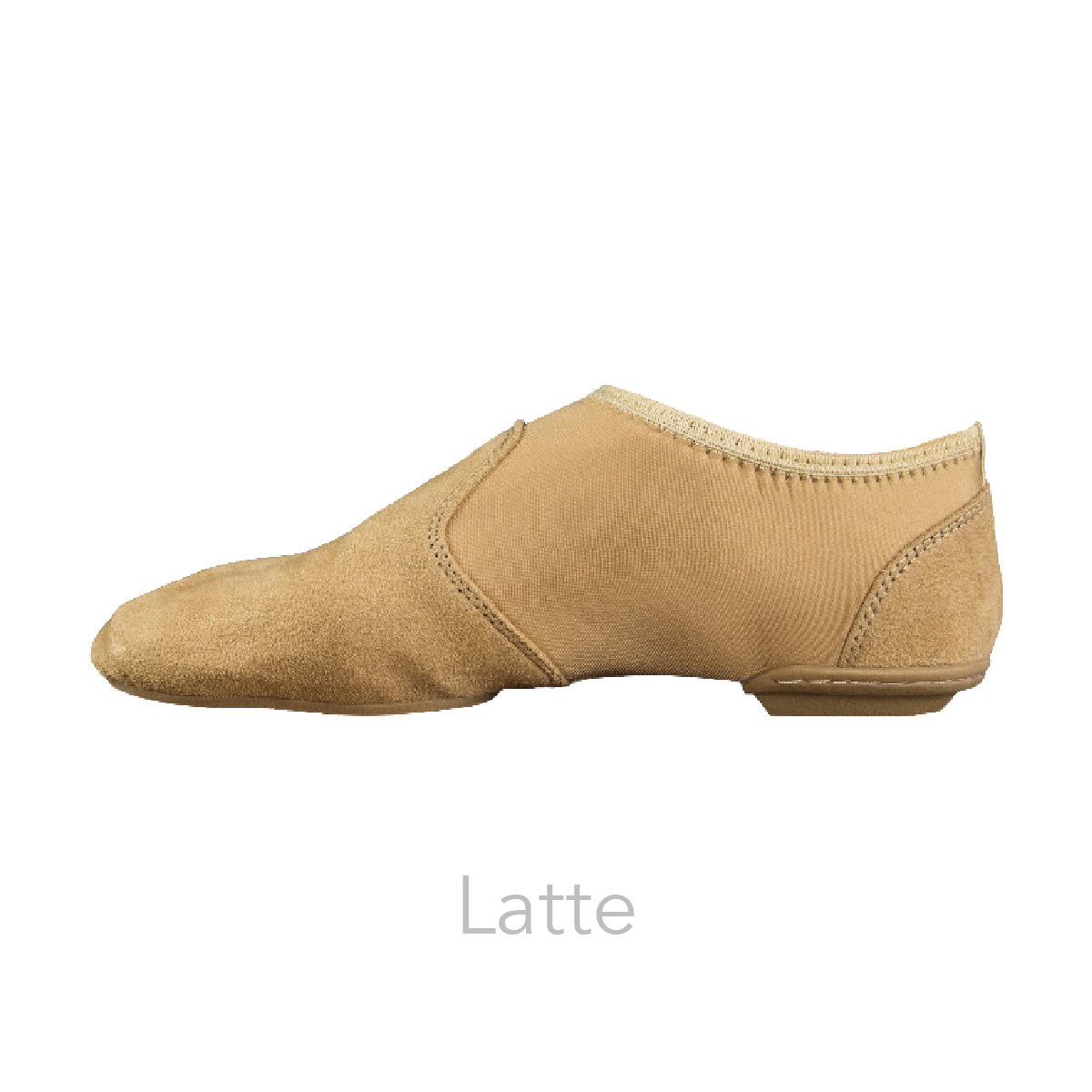
| Jazz Shoes | Offer flexibility and support for jazz dance moves. |
| Tap Shoes | Have metal plates for creating tapping sounds. |
| Ballroom Shoes | Provide support and elegance for ballroom dancing. |
| Sneakers | Great for hip-hop and other energetic dance styles. |
Choosing the right type of dance shoes is essential. It affects your performance and comfort. Always pick shoes that match your dance style and needs.
Credit: stelleworld.com
Materials Matter
Choosing the right dance shoes is crucial for any dancer. The materials used in dance shoes can greatly affect your performance, comfort, and the longevity of the shoes. This section will explore the different materials used in dance shoes and why they matter.
Leather Vs. Synthetic
Leather dance shoes are known for their durability and flexibility. They mold to your feet over time, providing a custom fit. Leather is also breathable, which helps keep your feet cool and dry during long practice sessions.
On the other hand, synthetic materials offer a budget-friendly alternative. They are often lighter than leather and can be easier to clean. However, synthetic shoes may not provide the same level of breathability and comfort as leather shoes.
Here's a quick comparison:
| Feature | Leather | Synthetic |
|---|---|---|
| Durability | High | Moderate |
| Breathability | Excellent | Fair |
| Cost | Higher | Lower |
| Flexibility | Good | Moderate |
Breathability And Comfort
Breathability is essential for dancers. Your feet can get hot and sweaty, which leads to discomfort and even blisters. Materials like mesh and perforated leather can improve airflow, keeping your feet cooler.
Comfort is also a key factor. Well-cushioned insoles and padded linings can make a big difference. Shoes that are too tight or have hard materials can lead to pain and injury.
In summary, the material of your dance shoes can impact your performance and comfort. Choose wisely based on your needs and preferences.
Sole Considerations
Choosing the right dance shoes can make a huge difference in performance. One key factor to consider is the shoe's sole. Different soles offer unique benefits and cater to various dance styles. Understanding these differences can help you make an informed decision.
Split Sole Vs. Full Sole
Split soles are flexible and lightweight. They provide greater freedom of movement. This type of sole helps with pointing and flexing the feet. Many dancers prefer them for styles like ballet or jazz.
Full soles offer more support. They cover the entire bottom of the shoe. This makes them ideal for beginners. Full soles help develop foot strength and proper technique. They are often used in tap and ballroom dancing.
Traction And Flexibility
Traction is crucial for stability. Dance shoes with good traction prevent slipping. This is important for styles like hip-hop or ballroom. A shoe with the right grip helps maintain balance.
Flexibility is equally important. Shoes need to bend with your foot. Flexible soles allow for a full range of motion. This is essential for fluid and expressive movements. Ballet and contemporary dancers benefit most from flexible soles.
Arch Support And Cushioning
Dance shoes are essential for every dancer. They provide the necessary support and comfort. A key aspect of dance shoes is arch support and cushioning. These features can make a significant difference in a dancer's performance and safety.
Impact On Performance
Proper arch support enhances a dancer's balance. It helps maintain proper alignment. This allows dancers to move with ease. Cushioning absorbs impact, reducing fatigue. With good cushioning, dancers can practice longer without discomfort. This leads to better practice sessions. Ultimately, their performance improves on stage.
Preventing Injuries
Arch support prevents common foot problems. It helps avoid issues like plantar fasciitis. Proper cushioning reduces the risk of injuries. It protects joints from stress and strain. This is crucial for dancers who train intensively. Preventing injuries means less downtime. Healthy feet mean more consistent practice and performance.
Style And Aesthetics
Dance shoes are more than just functional footwear. They reflect the dancer's personal style. They can also enhance the overall aesthetics of a performance. Choosing the right pair involves considering both style and aesthetics.
Matching Your Dance Style
Different dance forms demand different shoe styles. Ballet shoes, for instance, have a sleek and elegant design. They are perfect for classical ballet performances. Tap shoes, on the other hand, have a sturdy build. They produce the rhythmic sounds needed for tap dance. Choosing the right style enhances your performance.
Dance shoes should match not only the dance form but also your personal taste. Contemporary dancers might prefer shoes with a modern flair. Ballroom dancers often go for shoes with a touch of glamour. The right pair of shoes can boost your confidence. It can make every movement feel more natural.
Color And Design Options
Dance shoes come in a variety of colors and designs. These options allow dancers to express their individuality. For ballet, nude or pink tones are most common. These colors complement the traditional ballet attire. Tap and jazz shoes often come in black or white. These colors are versatile and match various outfits.
Ballroom dancers have more vibrant choices. They can choose from metallics, bold reds, and glittery designs. These shoes add a touch of sparkle to their performances. Some dance shoes even feature intricate patterns. Lace overlays and sequins add a unique touch. Choose a color and design that reflects your personality.
Here's a quick overview of color and design options:
| Dance Style | Common Colors | Design Features |
|---|---|---|
| Ballet | Nude, Pink | Sleek, Elegant |
| Tap | Black, White | Sturdy, Rhythmic |
| Ballroom | Metallics, Bold Reds | Glamorous, Sparkly |
| Jazz | Black, Tan | Flexible, Comfortable |
Choosing the right color and design can make a big difference. It can help you stand out on stage. It can also make you feel more connected to your performance.

Credit: www.capezio.eu
Caring For Your Dance Shoes
Proper care extends the life of your dance shoes. This ensures they provide the best support and performance. Regular maintenance keeps them in top shape. Let's dive into some essential tips on how to clean and store your dance shoes.
Cleaning Tips
Cleaning your dance shoes is key to their longevity. Different materials need different cleaning methods.
Leather shoes:
- Use a damp cloth to wipe off dirt.
- Apply leather conditioner to keep them soft.
Satin shoes:
- Spot clean with a mild detergent.
- Use a soft brush to remove stains.
Canvas shoes:
- Hand wash with cold water.
- Air dry to prevent shrinkage.
Storage Solutions
Proper storage prevents damage and keeps your shoes in shape. Here are some effective solutions:
| Storage Method | Benefits |
|---|---|
| Shoe bag | Keeps shoes dust-free and organized. |
| Shoe box | Protects from external pressure. |
| Shoe rack | Allows shoes to air out after use. |
Always keep your shoes in a cool, dry place. Avoid direct sunlight and heat to prevent material damage.
When To Replace Your Dance Shoes
Knowing when to replace your dance shoes is crucial for comfort and performance. Worn-out shoes can affect your technique and increase injury risk. Regular checks ensure your shoes support your dancing needs.
Signs Of Wear And Tear
Inspecting your dance shoes regularly helps identify signs of wear and tear. Look for these common indicators:
- Worn-out soles: Check the soles for thin spots or holes. They should provide good traction.
- Loose stitching: Examine the seams and stitching. Loose threads can lead to further damage.
- Loss of support: Feel the arch and heel areas. They should feel firm and supportive.
- Odor and moisture: Persistent odor or moisture retention indicates the shoes are no longer breathable.
Maintaining Optimal Performance
Replacing dance shoes at the right time maintains optimal performance and prevents injury. Here are some tips:
- Rotate your shoes: Use multiple pairs to extend their lifespan.
- Proper storage: Keep them in a dry, cool place. Avoid damp areas.
- Regular cleaning: Clean your shoes after each use. This prevents dirt build-up.
- Check fit: Ensure your shoes fit well. Ill-fitting shoes can cause blisters and discomfort.
If you notice any of these signs, it's time to replace your dance shoes. Keep your feet happy and your performance at its best.
Credit: mccormicksnet.com
Budget-friendly Options
Dance shoes are an essential part of any dancer's wardrobe. Quality shoes can be expensive, but there are budget-friendly options available. This section explores affordable brands and tips for finding deals and discounts.
Affordable Brands
Several brands offer affordable dance shoes without compromising quality. Here are some popular options:
- Bloch: Known for durable and comfortable shoes.
- Capezio: Offers a wide range of styles at reasonable prices.
- Sansha: Offers budget-friendly options for all dance forms.
- So Danca: Provides high-quality shoes at an affordable price.
- Dance Class: Great for beginners looking for affordable options.
Finding Deals And Discounts
Finding deals on dance shoes can save money. Here are some tips to consider:
- Sign up for newsletters: Brands often send exclusive discounts to subscribers.
- Check online retailers: Websites like Amazon and Zappos often have sales.
- Look for seasonal sales: Many stores offer discounts during holidays.
- Use coupon codes: Websites like RetailMeNot provide discount codes.
- Join loyalty programs: Earn points on purchases for future discounts.
Here is a comparison table of average prices for popular affordable brands:
| Brand | Average Price Range |
|---|---|
| Bloch | $40 – $70 |
| Capezio | $30 – $60 |
| Sansha | $25 – $55 |
| So Danca | $35 – $65 |
| Dance Class | $20 – $50 |
Finding budget-friendly dance shoes is possible with a bit of effort. Always look for deals and choose reliable brands.
Frequently Asked Questions
What Are The Best Dance Shoes?
The best dance shoes depend on the dance style. Ballet shoes, jazz shoes, and ballroom shoes are popular choices. Comfort and support are crucial.
How To Choose The Right Dance Shoes?
Choose dance shoes based on your dance style. Ensure they fit well, offer support, and are comfortable. Material and sole type also matter.
Can I Wear Regular Shoes For Dancing?
Regular shoes are not ideal for dancing. They lack proper support and flexibility. Dance shoes are designed to enhance performance and prevent injuries.
How Often Should I Replace Dance Shoes?
Replace dance shoes every six months to a year. It depends on usage and wear. Regularly check for signs of damage.
Conclusion
Choosing the right dance shoes enhances your performance and comfort. Good shoes prevent injuries and support your moves. Consider the type of dance and your foot shape. Always try shoes before buying. Happy dancing!