Calluses can be uncomfortable and unsightly. Removing them can improve your comfort.
Callus removers are essential for maintaining smooth, healthy feet and hands. These tools and treatments help to eliminate tough, thickened skin that forms due to friction or pressure. From manual files to electric devices and creams, there are various options available.
Each type of callus remover offers unique benefits to suit different needs. Whether you're dealing with mild or severe calluses, understanding the choices can lead to better skin care. In this post, we'll explore the world of callus removers, helping you find the right solution for your skin. Get ready to say goodbye to rough patches and hello to soft, smooth skin!
Introduction To Callus Removers
Callus removers help in softening and removing tough skin. These tools provide an easy way to maintain smooth feet. Simple to use and effective for home care.
Calluses can be a bothersome issue for many. These thickened areas of skin often form on feet and hands. Fortunately, callus removers provide a simple solution. They help you achieve smoother, healthier skin. In this section, we will explore what calluses are and their causes.What Are Calluses?
Calluses are hard patches of skin. They develop due to repeated friction or pressure. The skin thickens to protect itself from damage. This can result in rough, dry, and sometimes painful areas. Calluses are common on the feet, especially heels and toes. They can also appear on hands, particularly for those who use tools or play instruments.Causes Of Callus Formation
Several factors contribute to callus formation. Wearing tight or ill-fitting shoes is a common cause. It creates friction and pressure on certain areas of the feet. Walking barefoot can also lead to calluses. This is because the skin toughens to protect against rough surfaces. People who frequently use their hands for manual tasks are prone to hand calluses. Activities like gardening, lifting weights, or playing guitar can cause this issue. Understanding these causes can help you prevent calluses. But if you already have them, callus removers can help. They are designed to gently remove the thickened skin. This leaves your skin feeling soft and smooth. “`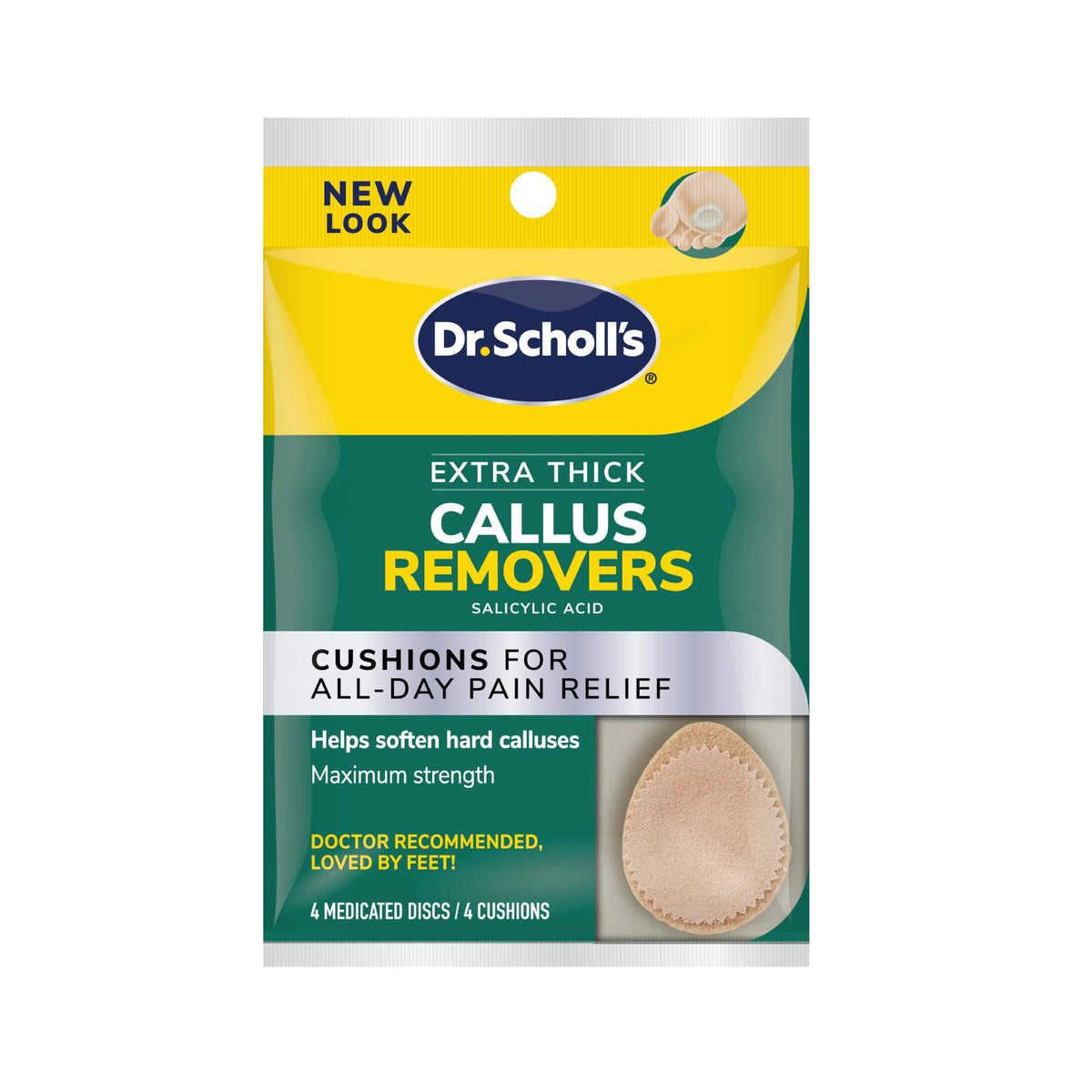
Credit: www.drscholls.com
Types Of Callus Removers
Calluses are thickened skin areas that form due to repeated friction or pressure. Removing calluses can make your feet feel smoother and more comfortable. There are several types of callus removers available, each with its own advantages.
Manual Callus Removers
Manual callus removers are tools that require physical effort. These tools are simple, cost-effective, and easy to use. Here are some common types:
- Pumice Stones: Natural volcanic rocks with a rough surface. They are effective in gently removing dead skin.
- Foot Files: Metal or plastic tools with a rough surface. Ideal for filing away hardened skin.
- Callus Shavers: Tools with a blade that slices off thickened skin. Best used with caution to avoid injury.
Electric Callus Removers
Electric callus removers are powered devices that make the process easier and faster. These devices often come with various features and attachments for customized use. Here are some popular options:
- Rotating Callus Removers: Devices with a rotating head that buffs away tough skin. They are efficient and require minimal effort.
- Rechargeable Callus Removers: Battery-operated tools that can be recharged. They are convenient for frequent use.
- Multi-speed Callus Removers: Devices with adjustable speed settings. They offer more control and versatility.
Choosing the right callus remover depends on your needs and preferences. Both manual and electric options have their benefits. Consider your comfort and the severity of your calluses when making a choice.
Choosing The Right Callus Remover
Choosing the right callus remover can make a big difference. Not all callus removers are the same. Some work better than others. Some are safer. Let's look at what you need to know.
Factors To Consider
First, think about your skin type. Sensitive skin needs a gentle remover. Rough skin may need a stronger option. Also, check the ingredients. Natural ingredients are often safer. Avoid harsh chemicals if possible.
Next, consider the ease of use. Electric callus removers are easy to use. Manual ones may take more effort. Look at reviews too. They can tell you a lot about a product's performance.
Top Recommended Products
One top choice is the Amope Pedi Perfect. It's an electric remover. It works well for many people. Another good option is the Rikans Foot File. This one is manual. It's very effective.
The Own Harmony Electric Callus Remover is also popular. It's powerful but gentle. The Care Me Electric Foot Callus Remover is another great pick. It's easy to use and very efficient.
How To Use Callus Removers Effectively
Callus removers can help you achieve smooth, soft feet. Learning to use them effectively is key. Proper use ensures the best results and avoids potential harm. Follow these steps to get the most out of your callus remover.
Step-by-step Guide
Start by soaking your feet in warm water. This softens the calluses, making them easier to remove. Soak for at least 10 minutes. Pat your feet dry with a clean towel.
Next, choose your callus remover. Options include pumice stones, electric files, or gels. Gently rub the callus remover on the affected areas. Apply light pressure and move in circular motions.
Continue until the callus is reduced. Do not overdo it. Rinse your feet and apply a moisturizer. This keeps the skin soft and hydrated.
Common Mistakes To Avoid
Avoid using the callus remover on wet skin. This can cause cuts and irritation. Always ensure your skin is dry before starting.
Do not use too much pressure. This can damage healthy skin and cause pain. Be gentle and patient.
Never use a callus remover on open wounds or broken skin. This increases the risk of infection.
Finally, do not skip moisturizing. Dry skin can lead to more calluses. Keep your feet hydrated for the best results.
Benefits Of Regular Callus Removal
Calluses can be a nuisance. Regular callus removal offers many benefits. It improves skin health and enhances comfort. Let's explore these benefits in detail.
Improved Skin Health
Removing calluses keeps your skin smooth. It helps in preventing cracks. Healthy skin is less prone to infections. It allows your feet to breathe. Callus-free skin looks clean and feels soft. Regular care maintains your skin's natural moisture.
Enhanced Comfort
Calluses can cause pain and discomfort. Removing them reduces pressure on your feet. It makes walking easier and more comfortable. Comfortable feet improve your overall mobility. Regular removal helps in preventing blisters. You can enjoy your daily activities with ease.

Credit: www.amazon.com
Safety Tips For Callus Removal
Callus removal can improve the comfort and appearance of your feet. Follow these safety tips to ensure you do it correctly. Improper removal can lead to infections or other issues. Keep reading for essential precautions and advice on when to seek professional help.
Precautions To Take
Taking the right precautions is crucial for safe callus removal. Here are some steps you should follow:
- Soak your feet: Use warm, soapy water to soften the callus. This makes it easier to remove.
- Use a pumice stone: Gently rub the callus in a circular motion. Avoid using sharp tools.
- Apply a moisturizer: After removing the callus, apply a rich lotion to keep your skin soft.
- Do not overdo it: Limit removal sessions to once a week. Over-removal can harm your skin.
| Precaution | Why it's Important |
|---|---|
| Soak your feet | Softens the callus for easier removal |
| Use a pumice stone | Gently removes the dead skin |
| Apply a moisturizer | Keeps your skin soft and hydrated |
| Do not overdo it | Prevents skin damage and infection |
When To Consult A Professional
In some cases, callus removal should be left to professionals. Here are situations when you should seek professional advice:
- Persistent pain: If the callus is causing pain, see a podiatrist.
- Diabetes: People with diabetes should avoid self-treatment. This reduces the risk of complications.
- Infection signs: Redness, swelling, or pus around the callus signals an infection. Consult a doctor immediately.
Following these safety tips can help you manage calluses effectively. Always prioritize your foot health to avoid complications.
Natural Remedies For Callus Removal
Calluses are thickened skin areas caused by friction or pressure. They can be painful and unsightly. Many people prefer natural remedies to remove them. These remedies are easy to use and cost-effective.
Home Treatments
Several home treatments can help soften and remove calluses. These treatments use everyday items found in most households.
- Soaking in Warm Water: Soak your feet in warm, soapy water for 20 minutes. This softens the callus, making it easier to remove.
- Pumice Stone: After soaking, gently rub the callus with a pumice stone. This removes dead skin cells.
- Moisturizing: Apply a thick moisturizer or petroleum jelly to the affected area. This keeps the skin soft and prevents new calluses.
Popular Diy Recipes
DIY recipes can be very effective for callus removal. These recipes use natural ingredients that are safe for the skin.
| Recipe | Ingredients | Instructions |
|---|---|---|
| Apple Cider Vinegar Soak | 1 cup apple cider vinegar, 2 cups warm water | Mix and soak feet for 20 minutes. |
| Baking Soda Paste | 3 tablespoons baking soda, 1 tablespoon water | Make a paste and apply to callus. Let sit for 10 minutes. Rinse off. |
| Lemon Juice and Aspirin | 5 aspirin tablets, 1 tablespoon lemon juice, 1/2 tablespoon water | Crush aspirin, mix with lemon juice and water. Apply to callus and cover with a plastic wrap for 10 minutes. |
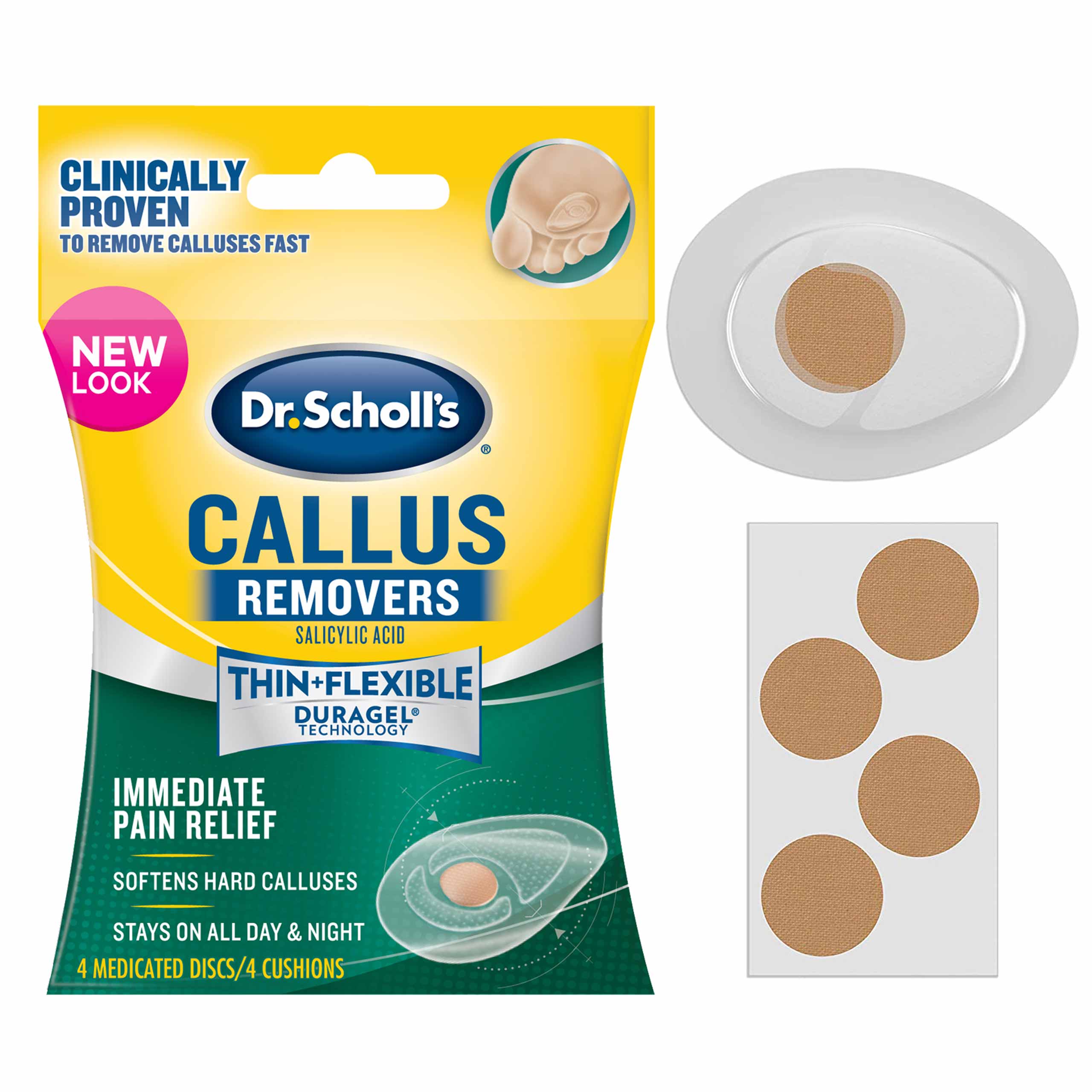
These recipes are effective for softening and removing calluses. Always moisturize after treatment to keep the skin soft.
Credit: www.drscholls.com
Maintaining Smooth Skin Post-removal
After removing calluses, it's essential to maintain smooth skin. Proper care prevents calluses from returning. This section covers key tips and measures.
Moisturizing Tips
Hydrate your skin daily. Use a rich, nourishing lotion. Apply the lotion after showers or baths. This helps lock in moisture. Choose products with ingredients like shea butter or glycerin. These ingredients provide deep hydration. Avoid lotions with alcohol. Alcohol can dry out your skin.
Preventative Measures
Wear comfortable, well-fitted shoes. Tight shoes cause friction and calluses. Choose socks made of breathable materials. Cotton socks keep feet dry. Use protective padding in shoes. This reduces pressure on your feet. Regularly exfoliate your feet. Use a pumice stone or foot scrub. This removes dead skin cells. Keep your feet clean and dry. Wash them daily with mild soap. Dry thoroughly, especially between toes.
Frequently Asked Questions
What Are Callus Removers?
Callus removers are tools or products designed to remove tough, thickened skin. They help soften and smooth the skin on feet and hands.
How Do Callus Removers Work?
Callus removers work by exfoliating or softening the hardened skin. They use mechanical or chemical methods to remove dead skin layers.
Are Callus Removers Safe To Use?
Yes, callus removers are generally safe when used correctly. Follow product instructions to avoid skin irritation or injury.
How Often Should I Use A Callus Remover?
Use a callus remover once or twice a week. Overuse can lead to skin irritation or damage.
Conclusion
Choosing the right callus remover keeps your feet smooth and healthy. Regular use prevents discomfort and enhances foot appearance. Various options exist, from manual files to electric devices. Consider your needs and preferences. Consistency in care ensures the best results.
Enjoy the comfort of soft, callus-free feet. Your feet deserve the best care. Treat them well, and they will thank you.