Bunions can cause significant pain and discomfort. Finding relief is essential.
Bunion correctors offer a non-invasive solution for many suffering from this common foot problem. These devices aim to realign the big toe, reduce pain, and improve overall foot health. They come in various forms, including splints, sleeves, and toe spacers.
Each type serves a different purpose, providing options for different needs and preferences. Understanding which bunion corrector is best for you can make a big difference. This guide will help explain how bunion correctors work, their benefits, and what to look for when choosing one. Whether you're dealing with mild discomfort or severe pain, the right bunion corrector can provide much-needed relief and help you get back on your feet.
Introduction To Bunion Correctors
Bunions can cause significant discomfort and affect daily activities. This is where bunion correctors come in. These devices help realign the big toe, reduce pain, and improve foot function. Let's explore bunions and the importance of foot health.
What Are Bunions?
A bunion is a bony bump at the base of the big toe. It forms when the big toe pushes against the next toe. This forces the joint to stick out and become swollen.
Common symptoms include:
- Pain and tenderness
- Redness and inflammation
- Swelling around the big toe joint
- Restricted movement
Bunions can develop due to various reasons. Some of these include genetics, arthritis, and wearing tight shoes.
Importance Of Foot Health
Healthy feet are essential for overall well-being. They support our body weight and help us move around. Ignoring foot problems can lead to severe issues.
Benefits of maintaining foot health:
- Improved mobility
- Better posture
- Reduced pain and discomfort
- Enhanced quality of life
Bunion correctors play a significant role in maintaining foot health. They help alleviate pain and prevent further complications. Investing in good foot care is crucial for a healthy and active lifestyle.

Credit: www.feetfeet.co.uk
Types Of Bunion Correctors
Bunion correctors are tools designed to alleviate the discomfort caused by bunions. They come in different types, each offering unique benefits. Understanding these types can help you choose the right one for your needs. Here, we will explore three common types: Orthotic Inserts, Splints and Braces, and Toe Separators.
Orthotic Inserts
Orthotic inserts fit inside your shoes. They provide support and cushioning. By redistributing your weight, they reduce pressure on the bunion. This can help prevent the bunion from getting worse. Orthotic inserts are easy to use. Just place them in your shoes and wear them daily. They can also improve your overall foot alignment.
Splints And Braces
Splints and braces are worn over the bunion. They help to hold the toe in a straight position. This reduces pain and prevents further misalignment. They are usually worn at night. Some can also be worn during the day. They are adjustable, which makes them comfortable for most people. They come in different materials, like fabric and plastic. Choose the one that feels best for you.
Toe Separators
Toe separators fit between your toes. They create space between the big toe and the next toe. This helps to reduce pressure on the bunion. They are small and easy to wear. You can use them with or without shoes. They are often made of soft materials like silicone or gel. This makes them comfortable to wear for long periods.
How Bunion Correctors Work
Bunion correctors are devices designed to ease the discomfort from bunions. They help in managing pain and preventing further misalignment. Understanding how they work can help you decide if they are right for you.
Realignment Of Toes
Bunion correctors help in the realignment of toes. They gently push the big toe back into its normal position. This helps in reducing the angle of the bunion. Over time, the toe's alignment improves, reducing the bunion's appearance.
Reduction Of Pressure
These correctors reduce pressure on the bunion. They keep the toes separated and prevent them from rubbing against each other. This decreases the pressure on the bunion. It also helps to prevent the formation of calluses and corns.
Pain Relief Mechanisms
Bunion correctors provide pain relief by cushioning the affected area. They often come with soft padding. This padding reduces friction and irritation. As a result, users experience less pain and discomfort. Some designs also offer arch support, which can further alleviate pain.
Choosing The Right Bunion Corrector
Choosing the right bunion corrector can be challenging. Many options are available, and it’s essential to select one that meets your needs. This guide will help you make an informed decision by covering key factors like severity, material, comfort, size, and fit.
Assessing Severity
The severity of your bunion impacts the type of corrector you need. Mild bunions may only require a simple spacer. Severe bunions might need a more robust brace or splint. Consult a healthcare professional to determine the severity of your condition and the appropriate corrector.
Material And Comfort
Material plays a significant role in comfort. Soft, breathable materials are ideal for long-term use. Look for correctors made from medical-grade silicone or soft fabric. Hard plastic correctors offer more support but may be less comfortable.
| Material | Advantages | Disadvantages |
|---|---|---|
| Medical-grade silicone | Soft, flexible, hypoallergenic | Less support |
| Soft fabric | Breathable, comfortable | May wear out quickly |
| Hard plastic | High support, durable | Less comfortable |
Size And Fit
Proper size and fit are crucial for effectiveness. An ill-fitting corrector can cause more harm than good. Measure your foot accurately before buying. Many brands offer size charts to guide you. Ensure the corrector fits snugly but not too tight. Adjustable straps can help achieve the perfect fit.
Benefits Of Using Bunion Correctors
Bunion correctors provide relief and help manage symptoms of bunions. They offer several key benefits. Let's explore some of them below.
Non-surgical Option
Bunion correctors serve as a non-surgical option for those who want to avoid surgery. They help realign the big toe over time. This reduces pain and prevents further deformity. Non-surgical solutions are less risky and more affordable. Bunion correctors offer a convenient way to address bunion issues without invasive procedures.
Improved Mobility
Using bunion correctors can lead to improved mobility. They reduce discomfort and pain, making it easier to walk and move. Enhanced mobility means you can engage in more activities. This contributes to a better quality of life. Moving without pain is essential for overall health and well-being.
Enhanced Foot Function
Bunion correctors promote enhanced foot function. They help maintain proper alignment of the toes. This improves balance and foot mechanics. Proper foot function supports better posture and reduces the strain on other parts of the body. Overall, healthy feet lead to better physical health.
These benefits highlight why many choose bunion correctors. They offer a practical and effective solution for managing bunion symptoms.

Credit: www.footstore.com.au
Incorporating Bunion Correctors Into Daily Life
Incorporating bunion correctors into daily life can significantly improve foot health. These devices help align your toes and reduce pain. With consistent use, you can find relief and comfort.
Wearing Tips
Start by wearing your bunion correctors for short periods. Gradually increase the duration. This helps your feet adjust comfortably. Wear them with loose-fitting shoes. Tight shoes can cause discomfort. Choose breathable materials for socks. This helps prevent moisture buildup and skin irritation. Always ensure the correct size of the bunion corrector. A proper fit is crucial for effectiveness.
Daily Routine Integration
Integrate bunion correctors into your daily routine seamlessly. Wear them during low-impact activities. For example, while working at a desk or watching TV. Avoid wearing them during intense physical activities. This can cause strain and discomfort. Establish a consistent routine for wearing your correctors. This could be during specific times of the day or while performing certain tasks.
- Morning: Wear during breakfast preparation.
- Afternoon: Use while sitting at work.
- Evening: Put on during relaxation time.
Maintenance And Care
Proper maintenance ensures longevity of your bunion correctors. Clean them regularly to maintain hygiene. Use mild soap and water. Avoid harsh chemicals that can damage the material. Let them air dry completely before use. Store them in a cool, dry place. This prevents material degradation.
| Action | Frequency |
|---|---|
| Cleaning | Weekly |
| Checking for wear and tear | Monthly |
| Replacing worn-out correctors | As needed |
Follow these tips for effective use and care of bunion correctors. Enjoy improved foot health and comfort in your daily life.
Case Studies And Testimonials
Reading case studies and testimonials offers valuable insights into the effectiveness of bunion correctors. Real-life stories and expert opinions can help you make an informed decision. Below, we've compiled some success stories and expert opinions on bunion correctors.
Success Stories
Many people have successfully used bunion correctors to relieve pain and improve foot alignment. Here are a few success stories:
- Mary's Story: Mary used a bunion corrector for three months. She noticed a significant reduction in pain and swelling. Her bunion size also decreased.
- John's Journey: John started using a bunion corrector during his daily walks. Within two months, he experienced less discomfort and better foot posture.
- Linda's Experience: Linda wore a bunion corrector every night. After six weeks, her bunion pain lessened, and her toes appeared more aligned.
Expert Opinions
Experts agree that bunion correctors can be beneficial. Here are some expert opinions:
| Expert | Opinion |
|---|---|
| Dr. Smith | Dr. Smith believes that bunion correctors help in reducing pain and improving foot alignment. |
| Dr. Johnson | Dr. Johnson notes that consistent use of bunion correctors can prevent the worsening of bunions. |
| Dr. Lee | Dr. Lee emphasizes the importance of combining bunion correctors with proper footwear. |
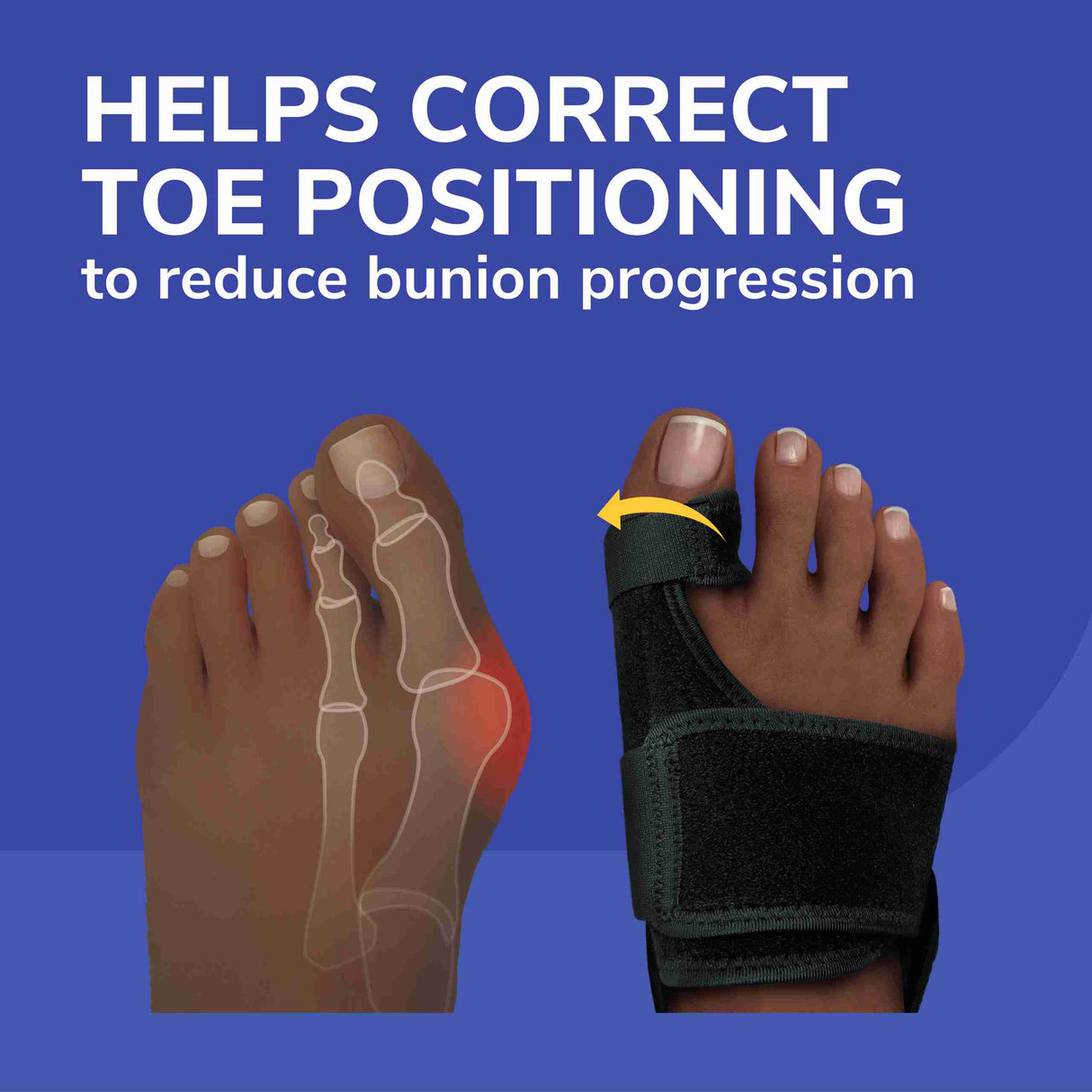
Credit: www.drscholls.com
Future Of Bunion Correction
The future of bunion correction looks promising with rapid advancements. Innovative technologies and ongoing research are paving the way for better treatments. Patients can hope for less invasive options and improved outcomes.
Innovative Technologies
New devices are emerging to correct bunions without surgery. These include custom orthotics and 3D-printed braces. These innovations aim to provide better support and alignment for the foot. Patients can expect more comfortable and effective solutions.
Wearable technology also plays a part. Smart footwear can monitor foot pressure and gait. This data helps in creating personalized treatment plans. These smart devices can adapt to the user's needs over time.
Research And Developments
Researchers are studying the causes and progression of bunions. Understanding these factors helps in developing better treatments. Genetic studies may provide insights into why some people get bunions more easily.
Clinical trials are testing new methods and materials. These trials aim to find safer and more effective solutions. Researchers are also exploring non-surgical treatments. These may include physical therapy and targeted exercises.
Advancements in regenerative medicine offer hope as well. Stem cell therapy and tissue engineering could provide new ways to treat bunions. These treatments may help repair and strengthen foot structures.
Frequently Asked Questions
What Is A Bunion Corrector?
A bunion corrector is a device designed to align the big toe. It helps to reduce pain and inflammation caused by bunions.
How Does A Bunion Corrector Work?
A bunion corrector works by gently repositioning the toe. It helps to alleviate pressure on the bunion and improve foot alignment.
Are Bunion Correctors Effective?
Yes, bunion correctors can be effective for mild to moderate bunions. They help in reducing pain and preventing further misalignment.
Can I Wear Bunion Correctors At Night?
Yes, many bunion correctors are designed for night use. Night wear helps to maintain toe alignment while you sleep.
Conclusion
Bunion correctors can bring relief and comfort. They help in realigning toes. Using them consistently can reduce pain and improve mobility. Choosing the right corrector is essential for best results. Always consult a healthcare professional for advice. With patience and proper use, bunion correctors can make a difference.
Don't let bunions hold you back. Take steps today for healthier feet. Your feet will thank you.