Ensuring your baby’s first steps are comfortable is crucial. Baby walking shoes support and protect tiny feet.
Choosing the right shoes for your baby can seem overwhelming. Parents want the best for their little ones, and finding proper footwear is no exception. Baby walking shoes are essential as they provide the necessary support for developing feet. These shoes help in balancing and preventing slips, making those first steps safer.
Soft soles, flexible materials, and a snug fit are some features to consider. This guide will help you understand what to look for in baby walking shoes, ensuring your child’s journey to walking is both safe and enjoyable. Let's dive into the world of baby walking shoes and make this milestone a joyful one!
Introduction To Baby Walking Shoes
As your baby begins their journey to walking, choosing the right shoes becomes crucial. Baby walking shoes provide the support and protection needed for those first steps. Understanding when and why to buy these shoes can help your child walk comfortably and confidently.
Importance Of First Shoes
First shoes play a vital role in your baby's development. They offer essential support to your baby's growing feet. Proper shoes protect your baby's feet from potential injuries. They also help in maintaining balance and stability. Soft soles encourage natural foot movement. Shoes with a flexible design allow toes to move freely. This flexibility aids in muscle development.
When To Buy Baby Walking Shoes
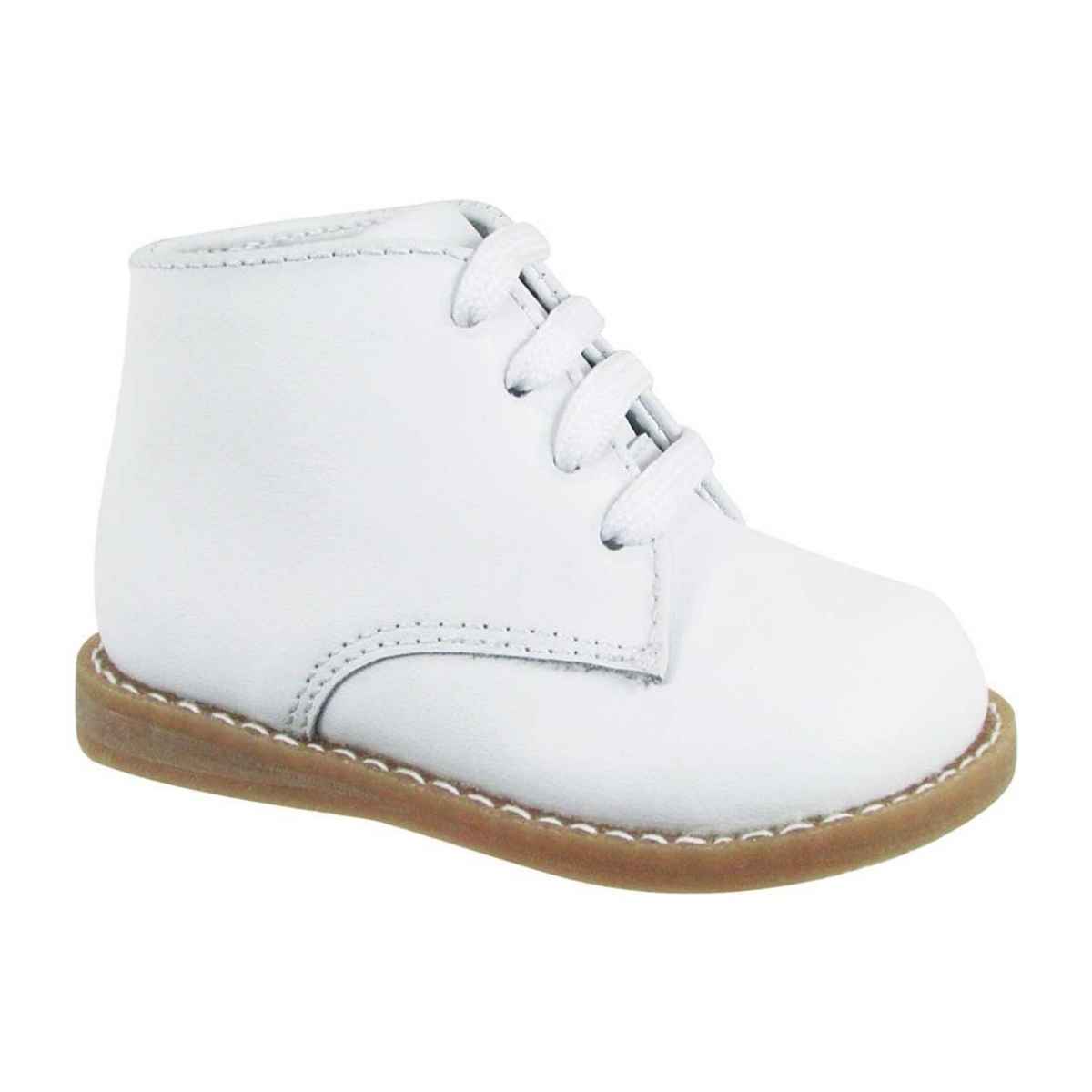
Consider buying shoes when your baby starts walking independently. This usually happens around 12 to 18 months. It's important to wait until your baby shows signs of walking. Early shoe use can hinder natural foot development. Watch for your baby taking several steps without support. This is a good indicator of readiness for shoes. Make sure the shoes fit well and provide comfort.
Credit: kidsshoebox.com
Choosing The Right Shoes
Choosing the Right Shoes for your baby is a crucial step. The first pair of walking shoes impacts their comfort and foot development. Make sure to consider the material, comfort, fit, and size of the shoes. Let’s dive into each aspect to help you make the best choice.
Material And Comfort
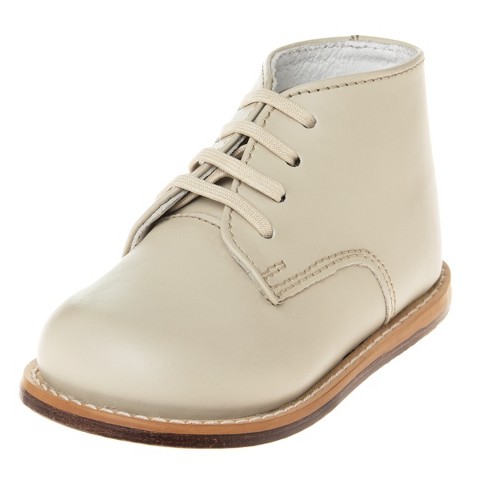
The material of the shoe is very important. Opt for soft, breathable materials like leather or mesh. These materials allow the feet to move naturally and breathe. Avoid stiff or rigid materials that can cause discomfort or restrict movement.
Comfort is key. Choose shoes with a cushioned insole and flexible sole. This helps in shock absorption and provides support. A flexible sole allows for natural foot movement, which is vital for your baby’s foot development.
Proper Fit And Size
Ensuring the proper fit and size is essential. Ill-fitting shoes can cause discomfort and affect foot growth. Here’s a table to help you understand the right size:
| Age | US Shoe Size | Length (in inches) |
|---|---|---|
| 6-12 months | 2-4 | 3.5-4.5 |
| 12-18 months | 4-5 | 4.5-5 |
| 18-24 months | 5-6 | 5-5.5 |
Measure your baby’s feet to get the right size. Make sure there is a thumb’s width of space between the longest toe and the end of the shoe. This space allows for growth and movement.
Also, check the width. The shoes should not be too tight or too loose. A snug fit ensures stability and comfort.
Features To Look For
Choosing the right baby walking shoes is crucial for your little one's development. Their first steps are precious, and the right shoes can make a big difference. Here are some important features to look for when selecting baby walking shoes. These features ensure comfort, support, and safety for your child.
Flexible Soles
Flexible soles are essential for baby walking shoes. They allow natural movement of the feet. Rigid soles can hinder proper foot development. Look for shoes that bend easily at the ball of the foot. This flexibility helps babies balance better and feel the ground beneath them. It also promotes healthy foot growth.
Breathable Fabrics
Breathable fabrics keep your baby's feet cool and dry. Babies' feet sweat a lot, and breathable materials help prevent moisture build-up. This reduces the risk of skin irritation and infections. Look for shoes made from natural fabrics like cotton or mesh. These materials allow air to circulate, keeping feet comfortable throughout the day.
Credit: www.target.com
Safety Considerations
Choosing the right baby walking shoes is crucial for your child's safety. You need to ensure that the shoes provide the necessary support and stability. Here are some key safety considerations to keep in mind.
Non-slip Soles
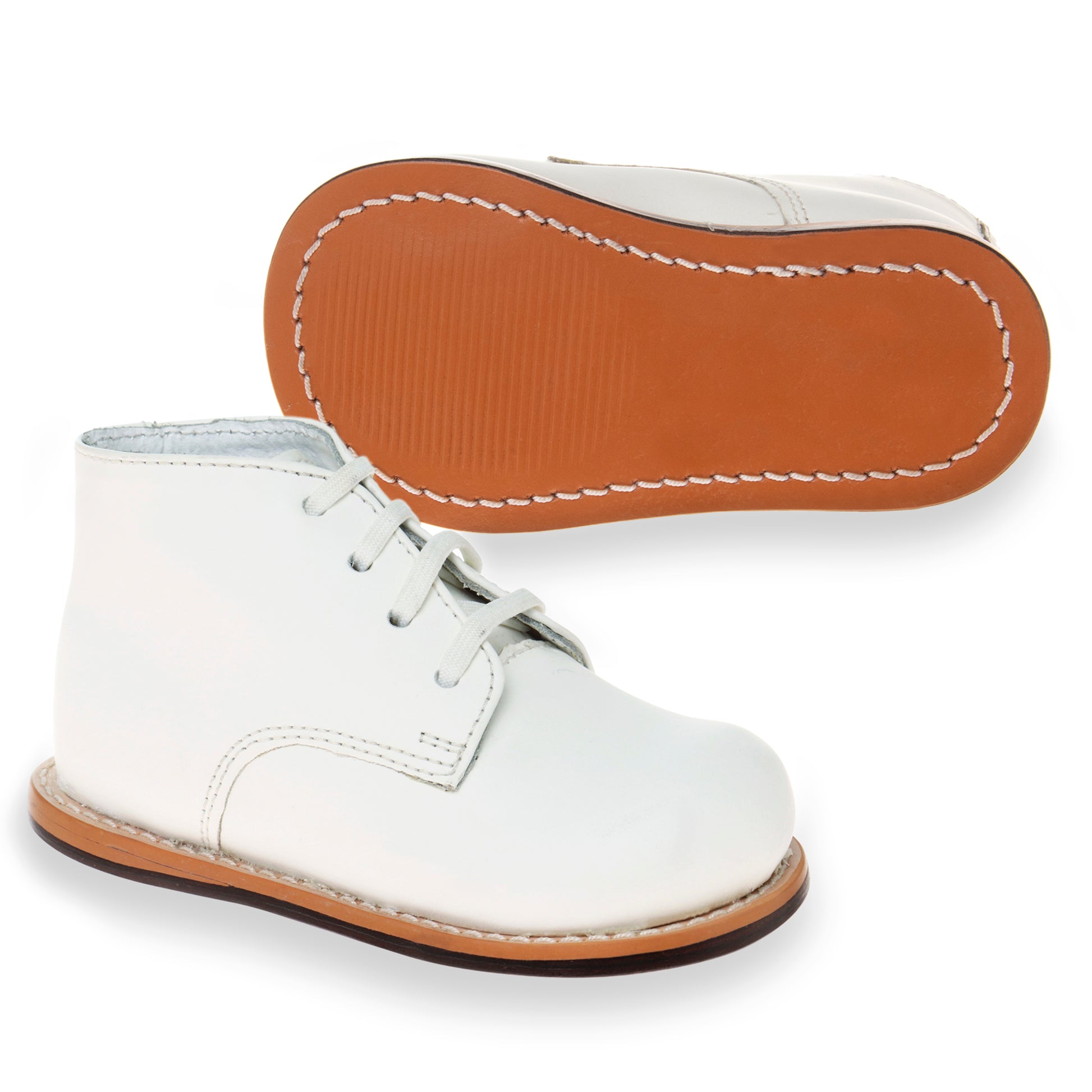
Non-slip soles are essential for baby walking shoes. Babies are still learning to balance and walk. Slippery soles can cause accidents. Look for shoes with rubber or textured soles. These materials provide better grip and reduce the risk of slipping. Non-slip soles ensure your baby's steps are steady.
Support And Stability
Support and stability are important for growing feet. Baby walking shoes should have a firm heel counter. This part of the shoe supports the heel and keeps it in place. A shoe with good support helps prevent ankle injuries. Shoes should also have a snug fit around the ankle. This provides extra stability as your baby learns to walk.
| Feature | Importance |
|---|---|
| Firm Heel Counter | Keeps heel in place |
| Snug Fit Around Ankle | Provides extra stability |
When choosing baby walking shoes, always prioritize safety. Non-slip soles and proper support are key. These features ensure your baby walks safely and comfortably.
Top Brands For Baby Walking Shoes
Choosing the right baby walking shoes can be crucial. Babies need proper support and comfort as they take their first steps. Many brands offer high-quality shoes for this important milestone. Let's dive into the top brands for baby walking shoes.
Popular Choices
Several brands are popular among parents. Stride Rite is one. They have been making baby shoes for decades. Their shoes are durable and supportive. Robeez is another favorite. They offer soft-soled shoes that are great for indoor use. Pediped also makes the list. Their shoes are both stylish and functional. These brands provide various designs to suit different needs.
Customer Reviews
Customer reviews can help you make a decision. Many parents praise Stride Rite for their fit and durability. One mom said, “Stride Rite shoes lasted through my baby's crawling and walking stages.” Robeez shoes get high marks for comfort. A dad mentioned, “My baby seems very happy in his Robeez shoes.” Pediped shoes are often noted for their style. A parent shared, “Pediped shoes look great and fit well.”
Reading reviews from other parents can be insightful. Look for comments on fit, comfort, and durability. This can help you find the best shoes for your baby.
Credit: www.josmo.com
Caring For Baby Walking Shoes
Caring for baby walking shoes is essential to ensure they last. Proper care keeps the shoes clean and comfortable for your little one. It also helps in maintaining the shoes' quality, which is crucial for your baby's developing feet. Below are some tips on cleaning and storing baby walking shoes.
Cleaning Tips
Regularly clean the shoes to keep them in good condition. Use a damp cloth to wipe off dirt and stains. For deeper cleaning, use mild soap and water. Avoid harsh chemicals as they can damage the shoe material. After cleaning, let the shoes air dry. Never use a dryer. High heat can warp the shoes and harm the material.
Storage Suggestions
Proper storage of baby walking shoes extends their life. Store them in a cool, dry place. Avoid direct sunlight to prevent fading and material damage. Use a shoe rack or a dedicated storage box to keep them organized. This also helps in maintaining the shoes' shape. If the shoes are wet, dry them completely before storing. Moisture can lead to mold and unpleasant odors.
Common Mistakes To Avoid
Choosing the right baby walking shoes is crucial for your child's development. Many parents unknowingly make mistakes. These mistakes can affect the baby’s comfort and walking experience. Let's explore some common errors to avoid.
Buying Too Early
Buying baby walking shoes too early can harm your baby's feet. Before your child starts walking, barefoot is best. Barefoot allows the feet to develop naturally. Shoes can restrict growth and movement.
Wait until your baby shows signs of walking. Look for steady steps and balance. Then, consider buying shoes. Early purchases can be a waste of money. Babies grow fast, and shoes may not fit later.
Ignoring Proper Fit
Proper fit is essential for baby walking shoes. Shoes should not be too tight or too loose. Ill-fitting shoes can cause blisters, pain, and discomfort. Always measure your baby’s feet before buying shoes. Use the size chart provided by the brand.
Check the fit by pressing the toe area. There should be a thumb’s width of space. Ensure the heel fits snugly without slipping. Check the width too. Some babies have wider feet. Choose shoes that accommodate this.
Here is a quick checklist for proper fit:
- Measure both feet.
- Check for enough toe space.
- Ensure heel snugness.
- Check for width.
Remember, comfort is key. Your baby’s shoes should support their first steps, not hinder them. Pay attention to these details to ensure happy and healthy walking experiences for your little one.
Budget-friendly Options
Choosing the right baby walking shoes can be challenging, especially on a budget. Parents often look for options that are both affordable and of good quality. This section highlights some budget-friendly options available for baby walking shoes.
Affordable Brands
Several brands offer affordable baby walking shoes without compromising on quality. Here are a few notable ones:
- Carter’s: Known for comfortable and cute designs at reasonable prices.
- Stride Rite: Offers durable shoes often available at discounted rates.
- Target: A variety of styles that fit every budget.
These brands provide reliable options that support your baby's first steps. They offer shoes with flexible soles, which are crucial for babies learning to walk.
Second-hand Shoes
Another great way to save money is by considering second-hand shoes. Many parents sell baby shoes that have been barely worn. Here are some benefits:
- Cost-effective: Often sold at a fraction of the original price.
- Eco-friendly: Reduces waste and promotes recycling.
- Wide Selection: Many options available in excellent condition.
Platforms like eBay, Facebook Marketplace, and local thrift stores are great places to find high-quality second-hand shoes.
When buying second-hand, ensure the shoes are clean and in good shape. Check for any wear and tear to ensure they are still supportive and safe.
Frequently Asked Questions
When Should Babies Start Wearing Walking Shoes?
Babies should start wearing walking shoes when they begin walking confidently. This usually happens around 10-18 months of age.
What Features Should Baby Walking Shoes Have?
Baby walking shoes should have flexible soles, good grip, and a snug fit. They should also provide adequate support.
Are Barefoot Shoes Good For Babies?
Yes, barefoot shoes are good for babies. They promote natural foot development and improve balance and coordination.
How Do I Choose The Right Size For Baby Shoes?
Measure your baby's feet and add a little room for growth. Ensure the shoes are not too tight or too loose.
Conclusion
Choosing the right baby walking shoes is essential for your child's comfort. Ensure the shoes are flexible, lightweight, and have a good fit. Prioritize quality materials that allow your baby's feet to breathe. Remember, proper shoes support healthy foot development.
Happy walking!