Ankle braces play a crucial role in preventing injuries and aiding recovery. They offer support and stability, which is essential for athletes and anyone with ankle issues.
Ankle injuries are common, and they can be painful and frustrating. Whether you are an athlete or just someone who enjoys staying active, an ankle brace can be a game-changer. These braces are designed to provide support, reduce pain, and prevent further injury.
They come in various types and sizes, catering to different needs and preferences. In this blog post, we will explore the benefits of ankle braces, how they work, and what to consider when choosing one. Stay tuned to learn how these simple devices can make a significant difference in your daily life.
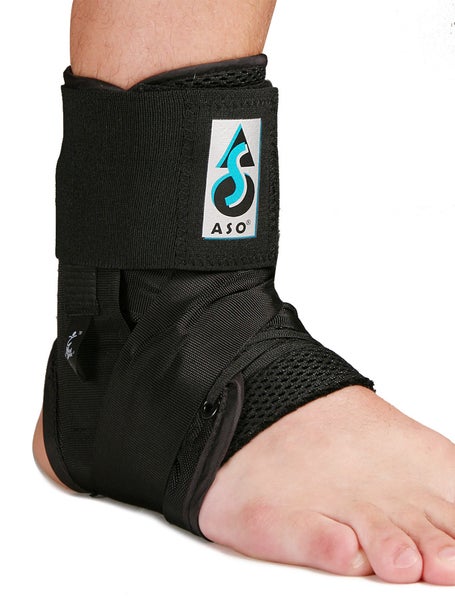
Credit: www.tennis-warehouse.com
Introduction To Ankle Braces
Ankle braces are essential accessories for athletes and those with ankle issues. They provide support and stability, preventing injuries and aiding recovery. Understanding ankle braces can help you maintain ankle health and enhance performance.
Importance Of Ankle Health
Healthy ankles are crucial for mobility and balance. They support body weight and allow smooth movements. Injured ankles can lead to severe pain and limited mobility. Ankle braces play a vital role in protecting and supporting ankles.
Brief History Of Ankle Braces
Ankle braces have been used for centuries. Ancient civilizations used basic wraps and supports. Modern ankle braces evolved with advances in materials and design. Today, they offer enhanced support, comfort, and protection. Athletes and individuals with ankle problems benefit significantly from them.
Types Of Ankle Braces
Ankle braces provide support and stability to prevent injuries. They come in different types, each serving a specific purpose. Understanding the types can help you choose the right one for your needs.
Rigid Braces
Rigid braces offer maximum support. They are made of hard materials. These braces are often used after a serious injury. They limit movement to allow for healing. Athletes use them to prevent further damage.
Soft Braces
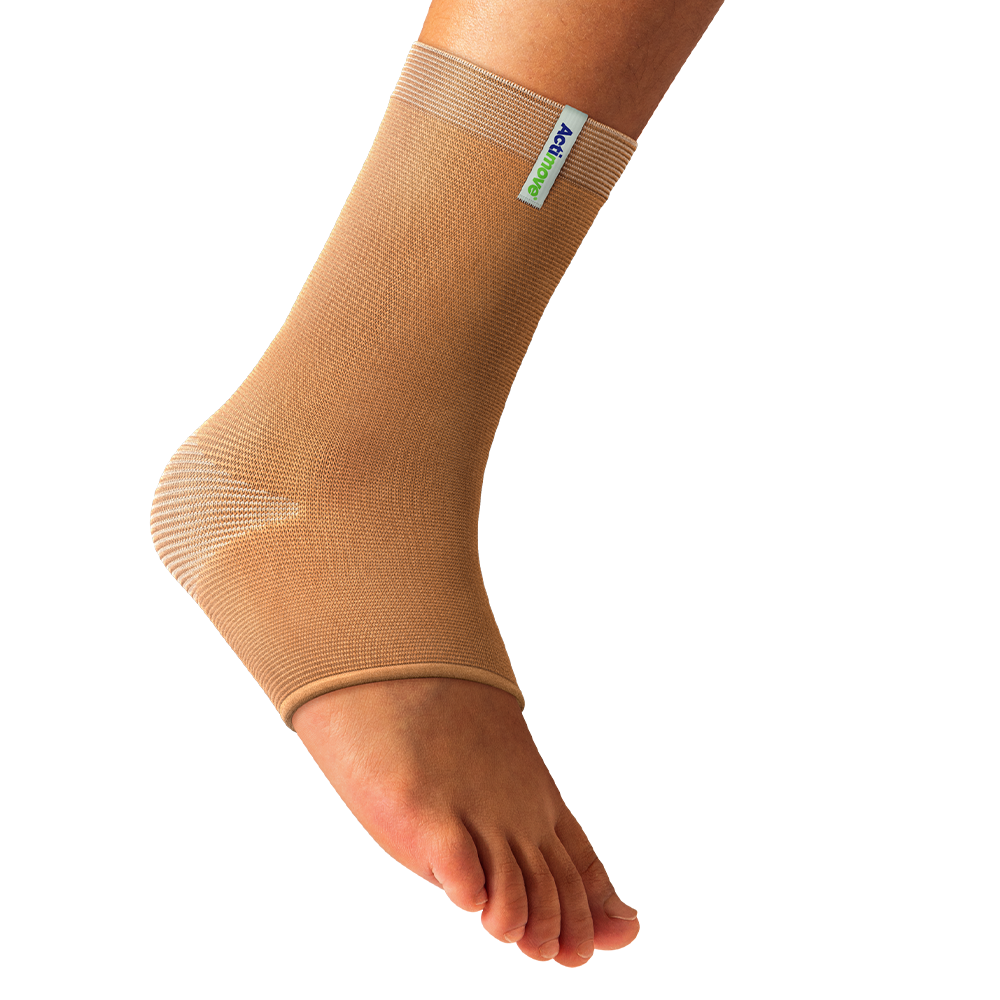
Soft braces are made of fabric. They offer flexibility while providing support. These braces are comfortable and easy to wear. They are ideal for mild sprains and everyday use. Soft braces can also help with swelling and pain.
Hybrid Braces
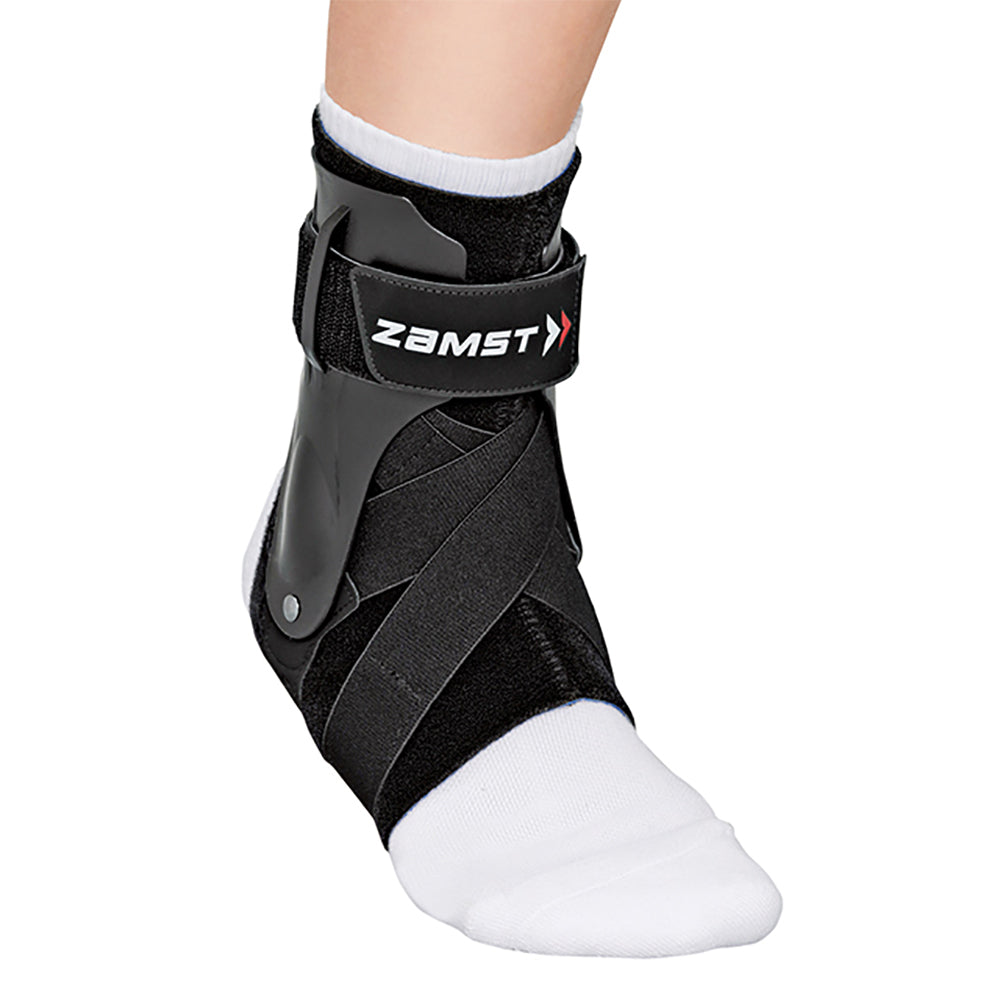
Hybrid braces combine features of rigid and soft braces. They offer support and flexibility. These braces are often used during sports. They provide stability while allowing some movement. Hybrid braces are perfect for moderate injuries.
Benefits Of Wearing Ankle Braces
Ankle braces offer multiple benefits for those seeking to protect their ankles. Whether you are an athlete, a weekend warrior, or someone with ankle issues, ankle braces can help. Let's explore the main benefits.
Injury Prevention
Ankle braces are essential for preventing injuries. They provide support and limit the ankle's range of motion. This helps to avoid sprains and strains. By stabilizing the ankle, braces reduce the risk of twisting and turning. This is especially important during physical activities.
Enhanced Stability
With ankle braces, you gain enhanced stability. They offer firm yet comfortable compression. This helps to keep the ankle in place. Enhanced stability is crucial for athletes. It helps them perform better and with confidence. Even for daily activities, stability is key to avoiding mishaps.
Pain Relief
Ankle braces can also provide pain relief. For those with chronic ankle pain, braces offer much-needed support. They help to reduce swelling and inflammation. By providing consistent pressure, braces relieve discomfort. This makes it easier to move and stay active.
Choosing The Right Ankle Brace
Choosing the right ankle brace can make a significant difference in comfort and recovery. Not all ankle braces are created equal. Different activities and needs require different types of braces.
Activity Level Considerations
Your activity level is crucial in choosing an ankle brace. For high-impact sports, opt for braces with extra support. These braces stabilize the ankle and prevent injuries. For lighter activities, a more flexible brace may suffice. This type provides support without restricting movement.
Material And Comfort
Material and comfort are key factors in selecting an ankle brace. Look for breathable materials. They prevent overheating and skin irritation. Neoprene and nylon are popular choices. They offer durability and comfort. Ensure the brace has a snug fit. It should not be too tight or too loose.
Sizing And Fit
Correct sizing and fit are essential for an effective ankle brace. Measure your ankle accurately. Follow the sizing chart provided by the manufacturer. A proper fit ensures maximum support and comfort. An ill-fitting brace can cause discomfort and inefficiency. Always try the brace before committing to long-term use.
How To Properly Wear Ankle Braces
Ankle braces provide support and stability to your ankles. They are essential for recovering from injuries and preventing further damage. Wearing them correctly is crucial for their effectiveness. This guide will help you understand the proper way to wear ankle braces.
Step-by-step Guide
- Choose the right size: Make sure the ankle brace fits well. It should be snug but not too tight.
- Position your foot: Sit down and place your foot flat on the floor.
- Slide on the brace: Pull the brace over your foot. Ensure it covers your ankle fully.
- Secure the straps: Fasten the straps or laces. Start from the bottom and work your way up.
- Adjust for comfort: Make sure the brace feels comfortable. It should not pinch or rub.
Common Mistakes To Avoid
- Wearing the wrong size: A brace that is too loose or too tight won't provide proper support.
- Not securing the straps: Loose straps can reduce the brace's effectiveness.
- Ignoring discomfort: If the brace causes pain, adjust it or consult a professional.
- Wearing it on bare skin: Always wear a sock under the brace to prevent irritation.
- Overtightening: Do not tighten the brace excessively. It can restrict blood flow.
Following these steps ensures your ankle brace provides the best support. Avoiding common mistakes will help you get the most out of your brace. Proper wear is key to recovery and injury prevention.
Ankle Braces For Different Sports
Ankle braces offer vital support and protection during sports activities. Each sport demands specific movements, placing unique stress on the ankles. Choosing the right ankle brace can enhance performance and prevent injuries. Let's explore the ideal ankle braces for different sports.
Running And Jogging
Running and jogging put repeated stress on the ankles. Ankle braces for runners need to be lightweight and flexible. They should allow natural foot movement while providing stability. Compression sleeves are excellent choices. They reduce swelling and improve blood flow. Look for breathable materials to keep your feet cool and dry.
Basketball And Volleyball
Basketball and volleyball involve jumping and quick direction changes. These sports require ankle braces with strong lateral support. Lace-up braces with reinforced sides are ideal. They prevent rolling and provide maximum stability. Some braces come with additional straps for extra support. Choose braces that fit snugly and stay in place during intense movements.
Soccer And Football
Soccer and football demand agility, speed, and strength. Ankle braces for these sports need to offer a balance of support and flexibility. Hinged braces work well. They allow natural motion while protecting against sprains. Some players prefer wrap-around braces. These provide adjustable support and can be tightened as needed. Comfort is key, so choose braces that fit well in your cleats.
Maintaining And Cleaning Ankle Braces
Maintaining and cleaning ankle braces is essential for their longevity and effectiveness. Proper care ensures that your ankle brace provides the support you need while keeping it free from odors and wear. Below, we offer some tips and methods for maintaining and cleaning your ankle braces.
Routine Maintenance Tips
Regular maintenance of your ankle brace can extend its lifespan. Follow these steps:
- Inspect Regularly: Check for any signs of wear and tear. Look for loose threads or damaged straps.
- Adjust Straps: Ensure the straps are snug but not too tight. This prevents unnecessary stress on the material.
- Avoid Overuse: Give your brace time to rest. Use it only when necessary.
- Store Properly: Keep your brace in a cool, dry place. Avoid direct sunlight or heat sources.
Effective Cleaning Methods
Keeping your ankle brace clean is crucial for hygiene and durability. Here’s how you can do it:
- Hand Wash: Use mild soap and warm water. Gently scrub the brace using a soft brush.
- Rinse Thoroughly: Make sure to rinse off all soap residues. This prevents irritation and material damage.
- Air Dry: Lay the brace flat to dry. Avoid using a dryer or exposing it to direct heat.
| Cleaning Item | Instructions |
|---|---|
| Mild Soap | Use for hand washing the brace. |
| Soft Brush | Gently scrub to remove dirt. |
| Warm Water | Rinse the brace thoroughly. |
Credit: www.actimove.us
When To Consult A Professional
Knowing when to consult a professional about your ankle health is crucial. While ankle braces provide support and relief, some signs indicate the need for expert advice.
Signs You Need Medical Advice
Not all ankle pain requires professional help. Yet, certain symptoms demand attention:
- Severe pain: Intense pain that does not improve in a few days.
- Swelling: Persistent or worsening swelling around the ankle.
- Bruising: Significant bruising or discoloration.
- Limited movement: Difficulty moving the ankle or walking.
- Instability: Feeling like your ankle might give way.
If you experience any of these symptoms, consult a healthcare professional. Ignoring these signs can lead to more severe issues.
Finding A Specialist
Locating the right specialist ensures proper treatment. Consider the following steps:
- Research: Look for reviews and recommendations.
- Check credentials: Verify the specialist's qualifications and experience.
- Consult your primary doctor: Ask for referrals to trusted specialists.
- Insurance: Confirm if the specialist is covered by your insurance.
- Visit the clinic: Schedule an initial consultation to assess comfort and confidence in the specialist.
By following these steps, you ensure that your ankle receives the best possible care.
Real-life Success Stories
Real-life success stories can motivate and inspire. Hearing from people who have used ankle braces can help others understand their benefits. These stories show how ankle braces have improved lives.
Athletes' Testimonials
Athletes often push their bodies to the limit. Ankle injuries are common in sports. Many athletes have found relief using ankle braces.
John, a basketball player, shared his experience: “I sprained my ankle last season. My coach recommended an ankle brace. It provided the support I needed. I was back on the court in weeks.”
Sarah, a runner, said: “I used to suffer from frequent ankle twists. Since wearing an ankle brace, I feel more stable. My performance has improved.”
| Athlete | Sport | Experience |
|---|---|---|
| John | Basketball | Quick recovery from a sprain |
| Sarah | Running | Increased stability and performance |
Everyday Users' Experiences
Not just athletes benefit from ankle braces. Everyday users also find them helpful. These devices provide necessary support for daily activities.
Mike, a warehouse worker, noted: “Lifting heavy boxes took a toll on my ankles. Using an ankle brace, I feel less pain. My workday is easier.”
Laura, a teacher, commented: “Standing all day in class was tough. Ankle braces gave me the support I needed. My feet feel much better now.”
- Mike: Reduced pain during heavy lifting
- Laura: Less discomfort standing all day
Credit: zamst.us
Future Of Ankle Braces
In recent years, ankle braces have seen significant improvements. The future promises even more exciting changes. With advances in technology and innovative designs, ankle braces will become more effective and comfortable.
Innovative Designs
Designers are creating ankle braces with better materials. These materials offer improved support and flexibility. Lightweight materials reduce discomfort and allow for natural movement. Ankle braces will also have a more ergonomic shape. This means they will fit better and provide more targeted support.
Another key innovation is the use of adjustable straps. These straps allow users to customize the fit. This ensures that the brace stays in place during activities. Designers are also focusing on making braces more breathable. This helps to prevent sweat build-up and skin irritation.
Technological Advances
Technology is playing a big role in the future of ankle braces. Smart ankle braces are being developed. These braces can monitor movement and provide feedback. This helps users to avoid injuries and recover faster.
Some ankle braces will have built-in sensors. These sensors can detect changes in pressure and movement. They can send alerts to the user or a healthcare provider. This can help in preventing injuries before they happen.
Another exciting advancement is the use of 3D printing. With 3D printing, ankle braces can be customized to fit an individual's foot perfectly. This means better support and more comfort.
| Feature | Benefit |
|---|---|
| Lightweight Materials | Reduces discomfort, allows natural movement |
| Adjustable Straps | Customizable fit, stays in place |
| Smart Technology | Monitors movement, provides feedback |
| 3D Printing | Custom fit, better support |
The future of ankle braces is bright. With these innovations, users can expect better support, comfort, and injury prevention.
Frequently Asked Questions
What Are The Benefits Of Wearing Ankle Braces?
Ankle braces help stabilize the joint, reduce swelling, and prevent injuries. They provide support during physical activities and recovery.
How Do Ankle Braces Prevent Injuries?
Ankle braces limit the movement of the ankle, reducing the risk of sprains. They offer support and compression.
Can Ankle Braces Be Worn All Day?
It's not recommended to wear ankle braces all day. Use them during activities that strain the ankle.
Are Ankle Braces Effective For Sprained Ankles?
Yes, ankle braces are effective for sprained ankles. They provide support, reduce pain, and speed up recovery.
Conclusion
Ankle braces offer essential support for weak or injured ankles. They help prevent further injury and speed up recovery. Choosing the right brace can make a big difference. Consider your needs and consult a professional if unsure. Many athletes and active individuals rely on ankle braces for protection.
Remember, taking care of your ankles ensures better performance. Stay safe and active with the right ankle brace.