Rehabilitation shoes play a crucial role in recovery. They offer support and comfort during healing.
Whether you're recovering from surgery, injury, or managing a chronic condition, the right footwear can make all the difference. Rehabilitation shoes are designed to aid mobility, reduce pain, and speed up the healing process. These specialized shoes provide stability and protection, which is essential for anyone undergoing physical therapy or post-operative care.
They help in reducing strain on affected areas, ensuring a smoother and quicker recovery. Understanding the benefits and features of rehabilitation shoes can help you make an informed decision. This guide will explore the importance of these shoes, what to look for, and how they can enhance your recovery journey.

Credit: www.amazon.com
Introduction To Rehabilitation Shoes
Rehabilitation shoes play a crucial role in the healing process. These shoes are designed to support recovery for various foot conditions. They offer comfort and stability. Patients can regain mobility and reduce pain. Rehabilitation shoes are not just for severe injuries. They are beneficial for minor foot problems too.
Importance Of Recovery Footwear
Recovery footwear helps protect injured feet. They provide the necessary support. This footwear can prevent further damage. They offer cushioning to reduce pain. Proper footwear speeds up the healing process. Comfortable shoes make it easier to walk. They also improve posture and balance.
Benefits For Different Conditions
Rehabilitation shoes benefit many conditions. For instance, they are useful for diabetic foot care. These shoes prevent sores and ulcers. They are also great for arthritis. They reduce joint pain and inflammation. Post-surgery patients find them helpful. They ensure proper healing and prevent complications. Even those with minor sprains or fractures can benefit. These shoes provide stability and support.
Key Features Of Rehabilitation Shoes
Rehabilitation shoes are essential for people recovering from injuries or surgeries. These shoes offer specific features to aid in the healing process. Understanding these key features can help you choose the right pair for your needs.
Supportive Design
Rehabilitation shoes have a supportive design. This design helps reduce strain on injured areas. The soles are often cushioned to absorb shock. This cushioning can prevent further injury. Ankle support is another key feature. It helps keep the foot stable. Stability is crucial during recovery.
Adjustable Fit
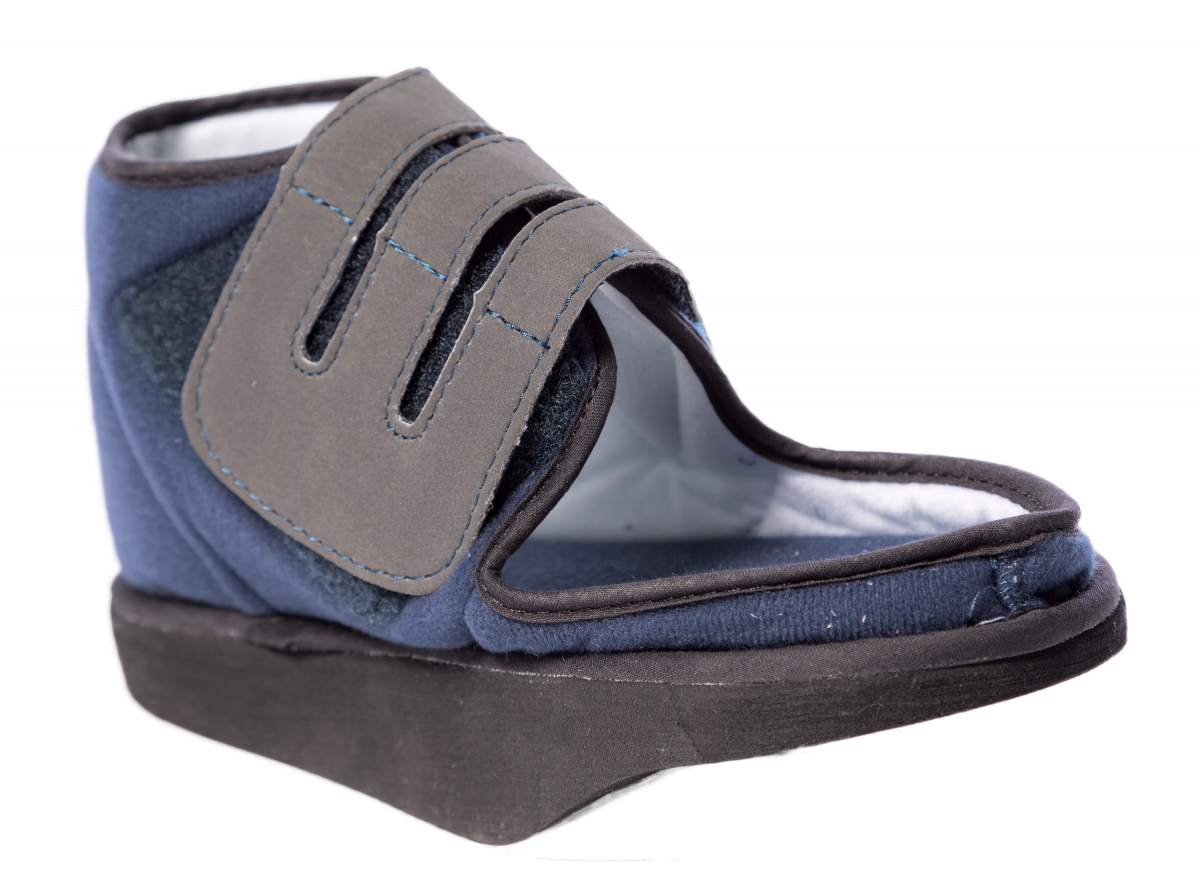
The adjustable fit of rehabilitation shoes allows for a custom fit. Many shoes have Velcro straps. These straps are easy to use. They can be adjusted to fit snugly. A good fit helps with comfort and healing. It also reduces the risk of slipping. This feature is especially important for those with swelling or bandages.
Types Of Rehabilitation Shoes
Rehabilitation shoes provide support and comfort during the healing process. They are designed to address specific medical needs and conditions. This section explores different types of rehabilitation shoes, highlighting their unique features and benefits.
Post-surgery Shoes
Post-surgery shoes are essential for patients recovering from foot or ankle surgery. These shoes offer protection and stability to the affected area.
- Rigid sole to reduce movement
- Adjustable straps for a secure fit
- Extra padding for comfort
These shoes help in reducing pain and promoting faster healing. They are typically worn for a few weeks post-surgery.
Diabetic Shoes
Diabetic shoes are designed for individuals with diabetes. They prevent foot complications by providing extra comfort and support.
| Feature | Benefit |
|---|---|
| Seamless interior | Reduces friction and blisters |
| Extra depth | Accommodates orthotics |
| Wide toe box | Prevents pressure on toes |
These shoes are vital for preventing ulcers and other foot issues. They offer both protection and comfort.
Choosing The Right Rehabilitation Shoes
Choosing the right rehabilitation shoes is crucial for your recovery. These shoes help in supporting your feet and improving your balance. They reduce pain and help in the healing process. In this guide, we will discuss how to choose the best rehabilitation shoes for your needs.
Assessing Your Needs
Start by assessing your specific needs. Different conditions require different types of support. Here are some questions to consider:
- Do you need extra arch support?
- Is cushioning important for you?
- Do you require stability features?
- Are you dealing with swelling?
Make a list of your needs. This will help you find shoes that meet your specific requirements.
Consulting With Healthcare Professionals
Always consult with healthcare professionals before making a decision. They can provide valuable advice based on your medical condition. Here are some steps to follow:
- Discuss your needs with your doctor.
- Ask for recommendations on specific brands or types.
- Consider visiting a podiatrist for a detailed assessment.
Healthcare professionals can also provide custom orthotics if needed. These inserts can be used with your rehabilitation shoes for better support.
Using Rehabilitation Shoes Effectively
Rehabilitation shoes can improve mobility and comfort for people with foot problems. To gain the most benefit, it's important to use these shoes correctly. This guide explains how to wear and incorporate rehabilitation shoes into your daily routine.
Proper Fit And Wear
Ensuring a proper fit is crucial for rehabilitation shoes to be effective. Here's how to check:
- Measure both feet. Sizes can differ.
- Try shoes on in the afternoon. Feet swell during the day.
- Wear the same type of socks you'll use with the shoes.
- Check that there is enough space at the toes.
- Ensure the heel fits snugly without slipping.
Wearing your shoes correctly is also important:
- Always use both shoes, even if only one foot needs support.
- Gradually increase wear time to break them in.
- Follow the care instructions to maintain the shoes.
Incorporating Into Daily Routine
Consistency is key when using rehabilitation shoes. Here are some tips to include them in your daily routine:
- Morning routine: Put on your shoes first thing in the morning.
- Exercise: Wear the shoes during physical therapy or light exercise.
- Work: Use the shoes if your job requires standing or walking.
- Home: Even at home, use the shoes to keep your feet supported.
Setting reminders can help you remember to wear your rehabilitation shoes. Track your progress in a journal. Note any changes in comfort or mobility. This will help you and your healthcare provider monitor improvements.
| Time of Day | Activity | Action |
|---|---|---|
| Morning | Getting ready | Put on shoes |
| Afternoon | Exercise | Wear shoes |
| Evening | Home activities | Keep shoes on |

Credit: www.amazon.com
Caring For Your Rehabilitation Shoes
Rehabilitation shoes are essential for recovery. They provide comfort and support during your healing process. Caring for these shoes ensures they last longer and offer the best support. This guide will help you maintain your rehabilitation shoes with ease.
Cleaning Tips
Keeping your rehabilitation shoes clean is crucial. It extends their lifespan and prevents infections. Here are some simple steps:
- Remove the insoles. Clean them separately.
- Use a soft brush to remove dirt and dust.
- Mix mild soap with warm water. Use a cloth to wipe the shoes.
- Rinse the cloth with clean water. Wipe off the soap residue.
- Air dry the shoes. Avoid direct sunlight to prevent damage.
When To Replace
Rehabilitation shoes do not last forever. Knowing when to replace them is key. Look for these signs:
- Visible wear and tear. Holes or frayed fabric indicate it's time.
- Loss of cushioning. Shoes should absorb shock. If not, they need replacing.
- Reduced support. If your feet feel less stable, it's a sign.
- Odor. Persistent bad smell, even after cleaning, means it's time.
- Pain or discomfort. New pain might mean your shoes are worn out.
Success Stories
Rehabilitation shoes have been a game-changer for many patients. Their lives have improved significantly. Here, we share some inspiring success stories.
Patient Testimonials
Below are some real testimonials from patients who have used rehabilitation shoes:
- John D.: “I suffered from severe foot pain. After using rehabilitation shoes, my pain reduced. I can walk comfortably now.”
- Mary S.: “These shoes changed my life. My mobility improved. I am more active than ever.”
- Robert K.: “I had a foot surgery. Rehabilitation shoes helped my recovery. I feel much better now.”
Clinical Evidence
Clinical studies support the benefits of rehabilitation shoes. Here are some key findings:
| Study | Results |
|---|---|
| 2022 Study on Foot Pain | 80% of patients reported reduced pain. |
| 2021 Mobility Study | 70% of patients saw improved mobility. |
| 2020 Post-Surgery Recovery | 65% of patients had faster recovery. |
These studies highlight the effectiveness of rehabilitation shoes. The evidence is clear. Patients experience significant benefits.
Future Of Rehabilitation Shoes
The future of rehabilitation shoes looks promising with rapid advancements. New technologies and innovative designs are improving patient outcomes. These changes help people recover faster and more comfortably. Let's explore the exciting developments shaping the future of rehabilitation shoes.
Innovations In Design
Designers focus on creating shoes that enhance comfort and support. They use lightweight materials to reduce strain on the foot. Breathable fabrics keep feet cool and dry during use. Adjustable features allow for a customized fit for each user. These elements work together to ensure maximum effectiveness.
Here are some key design innovations:
- Lightweight materials: Reduce overall strain.
- Breathable fabrics: Maintain foot temperature.
- Adjustable features: Provide a customized fit.
Technological Advances
Technology plays a significant role in the advancement of rehabilitation shoes. Smart sensors track foot movement and pressure. This data helps doctors monitor progress and adjust treatment plans. Some shoes even have built-in vibration therapy to stimulate muscles.
Below are some technological advances:
- Smart sensors: Track movement and pressure.
- Data collection: Helps adjust treatment plans.
- Vibration therapy: Stimulates muscle activity.
As technology and design evolve, rehabilitation shoes will continue to improve. These advancements will offer better recovery experiences for patients.
Credit: www.spronken.com
Frequently Asked Questions
What Are Rehabilitation Shoes?
Rehabilitation shoes are specially designed footwear that aids in the recovery process. They provide support, comfort, and stability to injured or post-surgery feet. These shoes help in reducing pain and improving mobility during rehabilitation.
Who Should Wear Rehabilitation Shoes?
People recovering from foot injuries, surgeries, or chronic conditions should wear rehabilitation shoes. They offer support and comfort, aiding in faster recovery and better mobility. Consult a healthcare professional to determine if rehabilitation shoes are suitable for your condition.
How Do Rehabilitation Shoes Help In Recovery?
Rehabilitation shoes provide support, cushioning, and stability to injured feet. They reduce pressure and pain, allowing for better movement. This helps in faster healing and improved mobility during the recovery process.
Are Rehabilitation Shoes Comfortable?
Yes, rehabilitation shoes are designed for maximum comfort. They have extra cushioning, support, and breathable materials. This ensures that your feet remain comfortable and pain-free during the recovery process.
Conclusion
Rehabilitation shoes are essential for recovery and comfort. They support healing. These shoes help improve mobility and reduce pain. Choosing the right pair is crucial for a smooth recovery process. Always consult with a healthcare professional for the best advice.
Your feet will thank you for making the right choice. Remember, every step counts towards better health. Invest in quality shoes for a faster recovery. Stay committed to your health journey. Your efforts will pay off in the long run.