Baby footwear is an essential part of every little one's wardrobe. Finding the right pair can be a delightful yet challenging task for parents.
From tiny sneakers to adorable booties, baby footwear comes in various styles and materials. Choosing the best shoes for your baby ensures their comfort and supports their growing feet. It’s not just about fashion; the right footwear promotes healthy development.
In this blog, we’ll explore the world of baby footwear, covering everything you need to know to make informed decisions. Whether you’re a new parent or looking to update your baby’s shoe collection, this guide will help you navigate the options available. Get ready to step into the world of cute and functional baby shoes!
Importance Of Baby Footwear
Baby footwear plays a crucial role in a child's early life. It supports their development and ensures their safety. Choosing the right shoes can make a big difference.
Early Development Support
Babies start to explore their world from a very young age. Proper footwear provides essential support for their tiny feet. It helps in the development of their muscles and bones.
- Promotes proper walking posture.
- Encourages balance and coordination.
- Supports foot growth.
Good footwear helps in forming a strong foundation for future physical activities. It keeps their feet comfortable during long periods of standing or walking.
Protection And Safety
Baby footwear also offers protection against various hazards. It shields delicate feet from sharp objects, hot surfaces, and rough terrains.
| Hazard | Protection |
|---|---|
| Sharp Objects | Thick soles prevent cuts and injuries. |
| Hot Surfaces | Insulated materials keep feet cool and safe. |
| Rough Terrains | Strong outsoles provide grip and stability. |
Proper footwear reduces the risk of falls and accidents. It offers a secure grip on slippery surfaces and uneven paths.
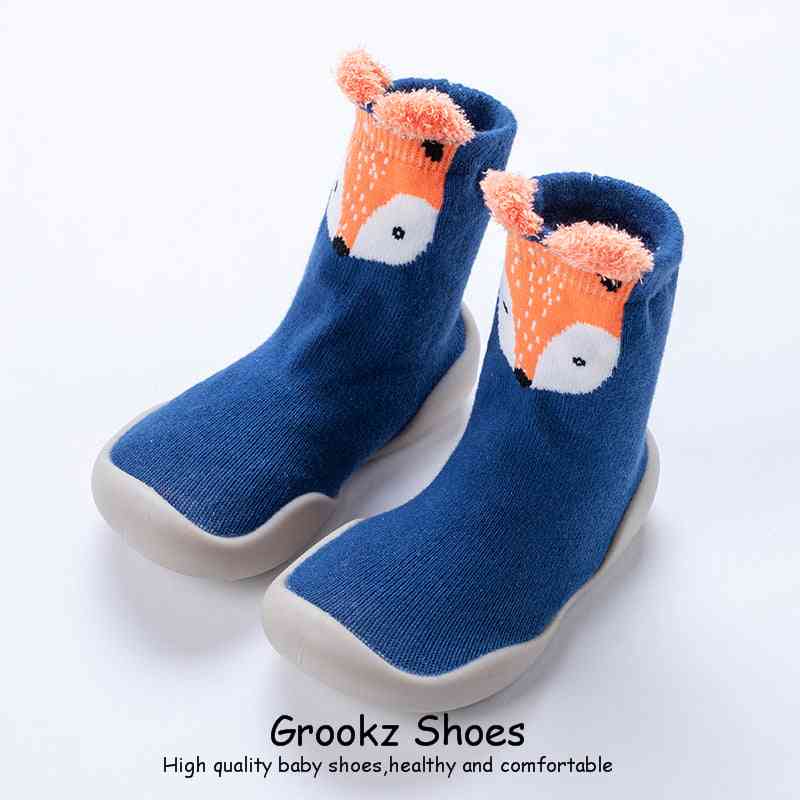
In conclusion, investing in quality baby footwear is vital. It supports their early development and ensures their safety in various environments.
Credit: grookz.com
Types Of Baby Footwear
Choosing the right footwear for your baby is important. It helps in their development and comfort. There are different types of baby footwear available. Each type has its own purpose and benefits. Here, we will explore some common types of baby footwear.
Booties And Crib Shoes
Booties and crib shoes are perfect for newborns. They keep tiny feet warm and cozy. Booties are usually made from soft materials. They are easy to put on and take off. Crib shoes are a little more structured. They offer a bit more support. Both types are ideal for babies who are not yet walking.
Pre-walkers And Crawlers
Pre-walkers and crawlers are designed for babies who are learning to move. These shoes provide protection while allowing freedom of movement. They often have flexible soles. This helps in building muscle strength. The shoes are lightweight and breathable. They support the feet without being restrictive. They are a great choice for babies starting to crawl or stand.
Choosing The Right Size
Choosing the right size for baby footwear is crucial. Properly fitting shoes support healthy foot development. They help prevent discomfort and potential foot problems. Ensuring the right fit enhances your baby's comfort and safety.
Measuring Baby's Feet
Accurate measurement is the first step. Use a foot measuring tool or a simple ruler. Place your baby's foot on a piece of paper. Trace the outline with a pencil. Measure the longest part of the foot from heel to toe.
Do this for both feet. Sometimes one foot is slightly larger. Use the measurement of the larger foot. Measure feet in the afternoon. Feet can swell by the end of the day.
Growth And Size Adjustments
Babies' feet grow quickly. Check their shoe size every two months. Leave some room for growth. About a thumb's width between the toe and the shoe's end. This space ensures comfort and allows for growth.
Avoid buying shoes that are too large. They can cause tripping. Shoes that are too tight can harm foot development. Always prioritize fit over style. Choose shoes with flexible soles. They help in natural foot movement.
Material Matters
When choosing baby footwear, the material is very important. Babies have delicate skin and growing feet. The right materials can make a big difference in comfort and health.
Breathable Fabrics
Breathable fabrics keep your baby's feet cool and dry. Materials like cotton and mesh allow air to circulate. This prevents moisture buildup and reduces the risk of infections. Look for shoes with a mesh upper or cotton lining for added breathability. These materials are soft and gentle on a baby's skin.
Non-toxic Materials
Babies often put their feet in their mouths. Non-toxic materials are safe for them. Avoid shoes with harmful chemicals like lead or phthalates. Opt for footwear made with natural rubber or vegetable-tanned leather. These materials are free from harmful substances. They are also durable and comfortable.
Seasonal Footwear Choices
Choosing the right footwear for your baby is crucial. The right shoes keep their feet comfortable and safe. Different seasons call for different types of shoes. Let's explore the best options for summer and winter.
Summer Sandals
During summer, babies need shoes that keep their feet cool. Summer sandals are perfect for this. They are lightweight and breathable.
Look for sandals with the following features:
- Adjustable straps for a secure fit
- Soft soles to protect tiny feet
- Non-slip bottoms for safety
These features ensure comfort and protection. A table can help you compare popular brands:
| Brand | Key Features | Price Range |
|---|---|---|
| Brand A | Soft sole, adjustable straps | $20 – $30 |
| Brand B | Breathable material, non-slip | $25 – $35 |
Winter Boots
Winter calls for warm and sturdy boots. These keep your baby's feet warm and dry. Choose boots that are easy to put on and take off.
Key features to look for in winter boots:
- Insulated lining for warmth
- Waterproof material to keep feet dry
- Non-slip soles for safety
These features ensure your baby’s feet stay warm and protected. Popular brands offer a range of options:
| Brand | Key Features | Price Range |
|---|---|---|
| Brand X | Insulated, waterproof | $30 – $40 |
| Brand Y | Non-slip, easy to wear | $35 – $45 |
Trendy Designs And Colors
Baby footwear has evolved with trendy designs and vibrant colors. Parents now find countless options to suit their little ones' personalities. These modern styles are not just cute but functional too. They keep those tiny feet protected while adding a stylish touch.
Popular Patterns
Polka dots are a timeless favorite. They bring a playful vibe to any outfit. Stripes are also in demand. They offer a classic and clean look. Animal prints add a fun element. Little ones love shoes with lions, tigers, and bears. Floral patterns remain popular for their sweet and delicate touch.
Gender-neutral Options
Parents often seek gender-neutral baby footwear. Neutral colors like yellow, green, and gray are trendy. These shades suit any outfit. Simple designs appeal to many. Basic patterns fit both boys and girls. Unisex shoes make great gifts too. They ensure versatility and ease in styling.
Caring For Baby Footwear
Caring for baby footwear is essential to ensure your little one's comfort and safety. Proper care extends the life of the shoes and keeps them looking new. This section covers some easy cleaning tips and storage solutions.
Cleaning Tips
Cleaning baby shoes can be simple and quick. Here are some tips:
- Use a damp cloth to wipe away dirt and stains.
- For tougher stains, mix a small amount of mild soap with water. Use a soft brush or cloth to scrub gently.
- Avoid soaking the shoes in water. It can damage the material.
- Air dry the shoes at room temperature. Do not use a heater or direct sunlight.
Follow these steps to keep the shoes clean and fresh.
Storage Solutions
Storing baby shoes properly is key to maintaining their shape and quality. Consider these solutions:
- Use a shoe rack or organizer to keep pairs together and off the floor.
- Place silica gel packets in the storage area. They help to absorb moisture and prevent mold.
- Store shoes in a cool, dry place to avoid damage from heat and humidity.
- Use fabric shoe bags to protect shoes from dust and dirt.
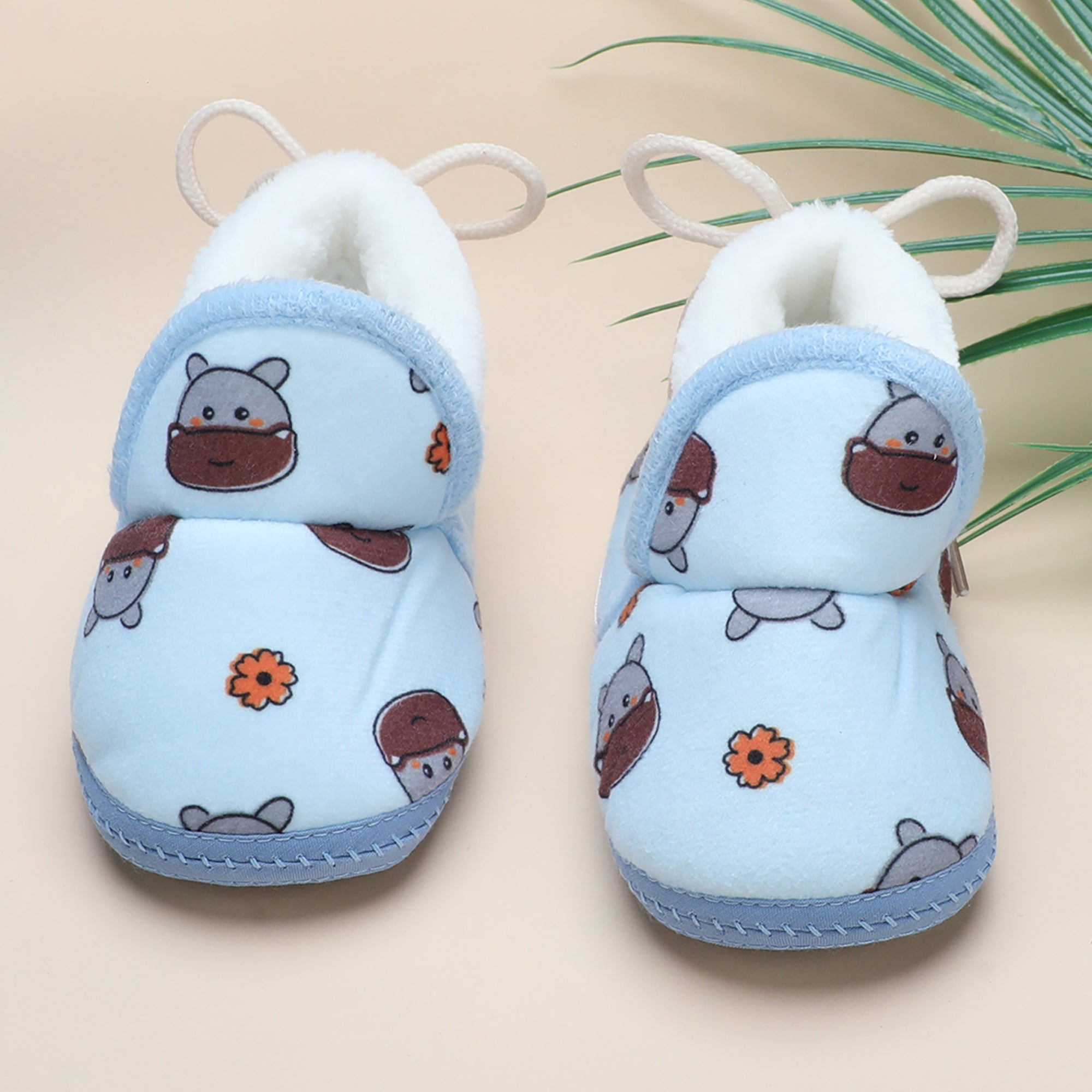
These storage tips will help keep baby shoes in good condition for longer.
Credit: babymoo.in
Budget-friendly Options
Parents often seek affordable baby footwear without sacrificing quality. Many budget-friendly options ensure your baby's feet stay comfortable and protected. Here, we explore some of the best choices for cost-conscious parents.
Affordable Brands
Several brands offer quality baby shoes at lower prices. Carter's provides durable, stylish options for infants and toddlers. Their shoes come in various designs and are gentle on a baby's feet.
Another great brand is Gerber. Known for their baby essentials, Gerber's footwear line is both affordable and reliable. Parents trust these brands for their combination of quality and price.
Diy Baby Shoes
Making baby shoes at home can be fun and budget-friendly. Many parents find joy in crafting unique shoes for their little ones. Using soft fabrics and basic sewing skills, you can create custom shoes.
Online tutorials and patterns make the process simple. These DIY shoes ensure a perfect fit and personal touch. Handmade shoes also make great keepsakes as your baby grows.

Credit: jiangchengshoe.en.made-in-china.com
Frequently Asked Questions
What Are The Best Materials For Baby Shoes?
The best materials for baby shoes are soft leather, cotton, and breathable fabrics. They provide comfort and allow proper foot development.
How Often Should Baby Shoes Be Replaced?
Baby shoes should be replaced every 2-3 months. This ensures proper fit and supports healthy foot growth.
Are Hard Soles Good For Babies?
Hard soles are not recommended for babies. Soft soles promote natural foot movement and development, which is essential.
What Size Shoes Should A 1-year-old Wear?
A 1-year-old typically wears size 4 or 5 shoes. It's crucial to measure their feet regularly for an accurate fit.
Conclusion
Choosing the right baby footwear is crucial for your child's comfort. Soft, flexible shoes help little feet grow properly. Always check the fit and materials. Comfort and safety should be top priorities. Happy feet lead to happy steps. Make smart choices, and your baby will thank you.
Enjoy every moment of those tiny steps.